Author: Alex Swindells

8 Tips on Saving Money For Your Summer Holiday

Updated for 2026

Saving money for your summer holiday can feel like a challenge, especially when your finances are already stretched. Whether you are heading abroad or staying in the UK, the costs quickly add up. If your budget is tight, you might think a holiday is off the table this year, but that does not have to be the case.

With a few simple changes to your spending habits and your holiday plans, you can make it a lot more affordable. Here are 8 practical tips on saving money for your summer holiday.

1. Set a budget for saving money for your summer holiday
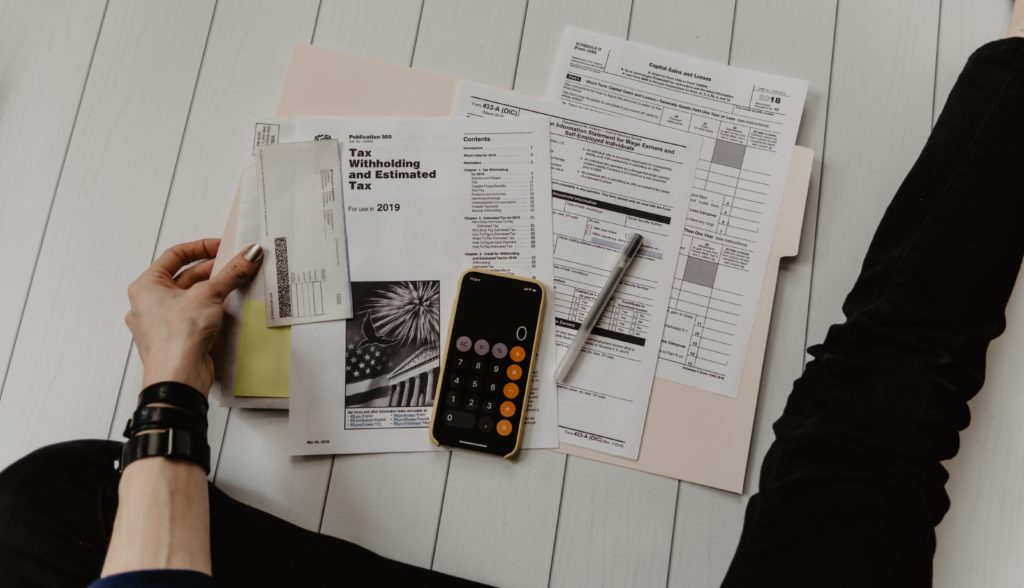
man working out his taxes with a calculator

Having a strict budget in place is the most important thing you can do to save for your next holiday. Setting a clear budget to manage your spending will help you cut out waste, and that extra money can go straight into your holiday fund.

You also need to set a budget for your holiday itself. This gives you a saving target to aim for, so you can work out exactly how much you need to save each month to afford the trip. Be realistic when setting your budget so you can set money aside without missing any bill payments. If you are struggling with multiple debts, it may be worth looking into ways to deal with your debt first before committing to saving.

2. Consider an all-inclusive holiday

Family on the beach enjoy the waves from the sea

All-inclusive holidays can be a great option when you are on a tight budget. Your flights, accommodation, and most of your food and drink are paid for upfront, usually at a discount rate as they are a package deal. If you tend to overspend while on holiday, all-inclusive deals make it much easier to stick to a budget because you do not need to buy much while you are there. Many all-inclusive packages also offer free places for young children.

3. Think about when you book

Two women booking a holiday on laptop together

Booking your holiday too late can cost you more. Although last-minute deals can save money if you are flexible enough, you may get a better deal if you book early. Booking early gives you more choice about which dates you travel on, so you can book the cheapest ones before they fill up. You also have more time to save when you start as early as possible.

4. Clear your cookies on online booking sites

Cookies are small pieces of text that are sent by websites you visit and stored on your device. They contain information about what pages you looked at and other details about your activities on the website. When you revisit the same site, it uses that data to personalise your experience.

When you view flights or hotels online, a record of that search is saved in your cookies. Next time you visit the site, it remembers that you have already looked at this page before. Some people believe this can influence the prices shown to you on subsequent visits. Whilst it is not 100% clear whether this is the case, clearing your cookies before revisiting online booking sites may help you see lower prices. Using private or incognito browsing mode is another simple way to avoid this.

5. Be flexible with your travel dates
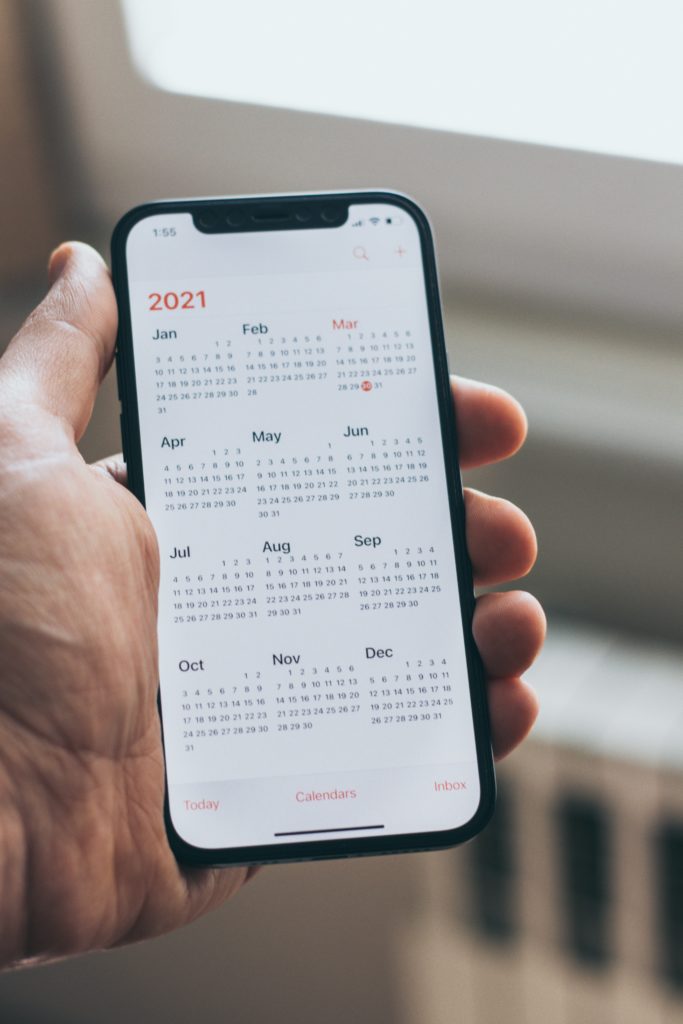
Calendar on smartphone

Being flexible with dates and times can be very helpful if you want to save money on your holiday. Certain dates will be more expensive than others (school holidays, for example), and flight costs also vary depending on the time of day you fly. If you are travelling with your family, you are limited to the school holidays, but you can still save money if you travel in the final weeks of the holidays. You could also consider a holiday during the half term rather than the summer holidays.

Flying late at night or very early in the morning is usually cheaper too. Although this does make travel arrangements more difficult, it may be worth it if you can save a lot of money.

6. Save £3 a day

Saving money can feel daunting, but it is more manageable when you break it down into small goals. The idea of saving £1,095 in a year sounds like a lot, but £3 a day is not that difficult. Think about some of the small purchases you make every day that you can cut out, and you will soon be able to put money into your holiday fund. Cutting back on takeaway coffees, meal deals, or unused subscriptions can all add up quickly.

If rising energy costs are eating into your spare cash, have a look at our energy saving tips to free up some extra money each month.

7. Weigh your luggage beforehand

Suitcase luggage stacked on top of each other

Airlines charge different fees depending on who you fly with and you can sometimes get caught out at the airport if your luggage is too heavy. You can avoid this if you weigh your luggage before you leave to make sure you have not exceeded the weight limit. A set of suitcase scales for home use is a small investment that can save you from unexpected charges at check-in.

8. Ensure you get travel insurance

Travel insurance is a must, but many people skip it because they are trying to cut costs. However, if something goes wrong while you are away you could be stuck with large medical bills or other unexpected fees. You also have no protection if your holiday is cancelled, which could mean losing all of the money you saved.

A travel insurance policy can be inexpensive and it can save you a lot of money in difficult situations. Before you take out a policy, check whether you already have one included with other financial products. Many bank accounts, for example, offer some level of travel cover. However, double-check what is included because it may not be extensive enough. If you do need a separate policy, use a comparison site to find the most affordable deals. Looking after your credit score can also help you access better financial products in general.

These simple tips can help you save money and cut the costs of travel, so you can more easily afford an enjoyable holiday. However, if you find yourself in a position where you are unable to save because of mounting debts, there are options available.

At Swift Debt Help, we provide general information about a range of debt relief options. Get in touch today and we can discuss different solutions that may help you regain control of your finances. Please note that the information on this site is for general guidance only and does not constitute financial advice.

Request a Debt Assessment

Disclaimer: For guidance only. Financial information entered must be accurate and would require verification. Other factors will influence your most suitable debt solution.

5 Things To Know Before Declaring Bankruptcy

Updated for 2026

Declaring bankruptcy could be an option if you have mounting debts that you are unable to pay. However, bankruptcy is not something you should rush into because it has long-term effects on your life and your finances. Here are five things you should know before declaring bankruptcy in 2026.

1. Declaring bankruptcy can have an impact on your assets

Hand drawing of man in shirt and tie losing his assets to bankruptcy

When you declare bankruptcy, you are generally required to make a reasonable effort to pay back your debts, and this often includes using your assets. Things that are considered essentials, like clothes, furniture, and cooking appliances are typically protected. However, other belongings may be passed on to the Official Receiver, the person that deals with your bankruptcy. These could then be sold to raise money to pay your debts.

Items that you may be allowed to keep include:

  • Clothes
  • Furniture
  • Household appliances
  • Tools required for your job
  • A car that you need for work or other basic needs (if you are disabled, for example)

There are some exemptions, and if certain assets on this list are valued very highly, they can still be sold. For example, you may be required to sell your car and given around £1,250 to buy a cheaper replacement, with the rest going towards your debts.

Jointly owned assets can also be affected. If they are sold, the money would typically be split between the Official Receiver and the person that has a shared interest in the asset.

Depending on your situation, you may have to move home when you declare bankruptcy. If you rent your home, you generally will not be affected and your landlord will not be informed. But if you own your home, you may be required to sell it to raise money to pay your debts. In some cases, you can prevent this.

The Official Receiver has three years to decide what to do with your home. If they have not taken steps to sell it in that time, your interest in it is restored and you can keep your home.

It is worth considering how your assets could be impacted before you declare bankruptcy.

2. If you own a business, bankruptcy will have an impact

Drawing of chart a declining chart with an arrow pointing downwards

When you declare bankruptcy, there are specific rules related to the running of a business. For the 12-month period of your bankruptcy, you are generally forbidden from acting as the director of a limited company or managing it in any way without the permission of the court. The company itself can continue to operate but you would need to appoint somebody else to manage it for you.

If you are self-employed and registered as a sole trader, the rules are different. You may be able to continue operating as normal, but if you run a business under a name that’s different to the one in which you were made bankrupt, you must tell everyone you do business with the name under which you were made bankrupt.

Bankruptcy will also be recorded on your credit reports for six years. This can seriously impact your ability to get credit in the future, which can be a big problem for businesses.

Business owners might want to explore other options like an Individual Voluntary Arrangement (IVA) or a Debt Management Plan to avoid the restrictions on their ability to run their company.

3. Your bank accounts could be frozen

Young woman feeling displeased about debt on her credit card while checking bank account over laptop at home.

The Official Receiver takes control of all of your assets, including your bank account, when you declare bankruptcy. This often means that your bank accounts are frozen and you cannot withdraw any money. If you have money in your account that is required to meet your essential living costs, the Official Receiver may arrange with the bank to release those funds to you. The bank will then decide if you can continue using your account.

4. Bankruptcy doesn’t cover all of your debts

Pound coins stacked on top of each other on a table

Writing off debt is one of the major benefits of bankruptcy but not all debts are covered. It is important to understand exactly which debts are not included because you will still be liable for them, even if you file for bankruptcy. Debts generally not covered include:

  • Secured debts
  • Child maintenance debts
  • Student loans
  • Court fines
  • Council tax debts (in some cases)

5. Take the right steps before declaring bankruptcy

Person wearing running shoes taking steps up the stairs

There are some key steps to consider when looking into bankruptcy to minimise the impact.

Consider whether bankruptcy is the right debt solution for you

Bankruptcy is not always the most suitable debt solution. It may be worth looking into options such as Debt Management Plans (DMP), Debt Relief Orders (DRO) or Individual Voluntary Arrangements (IVA) before declaring bankruptcy. As of 2026, DROs are available for debts up to £50,000, and the DRO application fee has been abolished, making them free to apply for. You may be able to limit the impact on your credit reports and avoid financial restrictions by finding a different debt solution.

Apply for bankruptcy

The next step is to fill out the necessary paperwork and pay the fee of £680. This can be paid in instalments, if necessary, with a minimum payment of £5. However, a bankruptcy order will not be granted until the fee is paid in full. You can find the application forms on the gov.uk website.

Set a budget for your living costs

As part of your bankruptcy application you will need to put together a budget based on your essential expenses. When you declare bankruptcy, you will generally not be permitted to spend beyond this, as all additional money will go towards your debts.

Cooperate with the Official Receiver

The Official Receiver is the person that manages your bankruptcy. They will typically contact you within two weeks of your application to discuss your bankruptcy. They also take control of your assets. You need to work with them while they distribute your money and assets to pay off a portion of your debts.

Pay back your debts and discharge from bankruptcy

Once everything is in place, you may need to continue paying towards your debts for up to 3 years. This depends on your circumstances and your disposable income after meeting your essential outgoings. As long as you cooperate with the Official Receiver and meet all of your obligations, you would typically be discharged from bankruptcy after 12 months.

Declaring bankruptcy could be one solution to your debt problems, but it is not always the only option. For general information about debt solutions, fill out the contact form below to get in touch with Swift Debt Help. This information is for general guidance only and should not be considered financial advice. Your individual circumstances may vary, so speaking with a qualified debt adviser is always recommended.

Request a Debt Assessment

May not be suitable in all circumstances, Fees may apply, your credit rating may be affected.

Disclaimer: This content is for general informational purposes only and does not constitute financial advice. Financial information entered must be accurate and would require verification. Other factors will influence your most suitable debt solution.

6 Ways To Improve Your Credit Score

Updated for 2026

Your credit score plays a key role in how much you can borrow, the interest rates you pay on loans, and even your job prospects in some cases. If you find yourself in financial difficulty and miss payments, your score will drop. The good news is there are practical steps you can take to improve your credit score, and many of them are straightforward.

If you are concerned about your credit score, here are 6 ways to improve it.

1. Make all outgoing payments on time

man looking at credit check document

One way to improve your credit score is to make all of your outgoing credit payments on time. If you can get into the habit of paying everything on time, it will show lenders that you are reliable and trustworthy.

If you are regularly missing payments, there are a few things you can do to make paying easier. Set up Direct Debits so that the payments are automatically taken from your account, and write a clear budget to make sure that you don’t miss payments. For more tips on managing your outgoings, read our guide on dealing with debt.

2. Register on the electoral roll

Drawing of person putting polling card in ballot for election vote

One of the easiest ways to improve your credit score is to make sure you are registered on the electoral roll. Many people don’t realise that it can actually have a big impact on your credit score. If you are not registered, lenders have a harder time verifying your identity and this could lead to your application being declined.

Registering is easy. You can register online, and all you need to do is follow the on-screen instructions. If you are already registered, check that all of your details are correct and up to date. If not, update them as soon as possible.

It only takes a few minutes to register, so this is one of the easiest ways to improve your score.

3. Keep credit card debt below 30%

Young concentrated businesswoman in glasses and striped shirt working with papers at home

Your credit utilisation ratio is the amount of credit you are using compared to the amount of credit you have available.

It is best to keep your credit utilisation ratio below 30%. This means that if you have a credit card with a limit of £1,000, you should not have debts of more than £300 on that card.

If your credit utilisation ratio is higher, it suggests to lenders that you may be reliant on borrowing to cover expenses. This could lead to your credit score being lowered. For more on using credit wisely, see our post on how to efficiently use your credit card.

It is a common misconception that not having a credit card at all is better for your credit score. Borrowing small amounts and paying them back on time will improve your score, but you need to avoid borrowing too much. That’s why keeping credit card usage at around 30% or lower is best for your credit score. You can read more about this in our guide to the benefits of using your credit card sensibly.

4. Develop your credit history

Woman using a credit card whilst on her laptop

If you don’t have much of a credit history, it can be difficult to get a loan or a mortgage. This is because lenders don’t have much to go on when they are assessing your application. This is a common issue for younger people who have not borrowed money in the past.

There are a few things you can do to develop your credit history and improve your score. Many lenders offer credit builder cards specifically designed for this purpose. Using one on a regular basis and paying the balance off in full each month will steadily increase your score.

5. Report mistakes on your credit report

Woman on phone to bank to report mistakes on credit report

If you have ever been refused credit, it’s important to check your credit report. Your credit score can be lowered if there are mistakes on your report. These errors can range from incorrect information about your address or date of birth to missed payments that you have already paid.

If you find an error on your credit report, it is important to report it straight away. You can do this by contacting the company to which the credit relates and asking them to update their records. You could also contact the credit reference agencies (Experian, Equifax, and TransUnion) directly and raise a dispute. They will then contact the lender on your behalf. The issue will be investigated and, if appropriate, will be rectified. Your score will then be adjusted accordingly. For more on what can affect your rating, have a look at our article on the common causes of a decreased credit score.

6. Ensure your credit file has no fraudulent activity

fraudulent activity

If you suspect that someone has fraudulently opened a credit account in your name, it is important to take action straight away. This can be done by contacting the police and the credit reference agencies. You should also check your bank and credit card statements regularly for any unusual activity.

Fraudsters taking out credit in your name can seriously damage your score, so it needs to be rectified immediately. Bear in mind that you may have to prove that you did not apply for the credit if it is not immediately obvious that you are a victim of fraud.

How to improve your credit score if you’re struggling with debt

If you are looking to improve your credit score after being declined for credit, or you need access to borrowing just to cover essential outgoings, it may be time to look at other debt repayment options. At Swift Debt Help we can provide general information about debt solutions based on your circumstances. It is important to note that most debt restructuring options will be recorded on your credit file and could have an impact on it. Call us on 0161 843 1516 to find out more about the options that may be available to you.

Request a Debt Assessment

Disclaimer: For guidance only. Financial information entered must be accurate and would require verification. Other factors will influence your most suitable debt solution.

Can a Creditor Refuse a Payment Plan?

Updated for 2026

If you are unable to afford your full contractual repayments, you may be wondering: can a creditor refuse a payment plan? The short answer is yes, they can. When you offer to pay a reduced amount each month until the debts are cleared and your creditors accept, it makes things far more manageable. But if they don’t accept, you still have options worth knowing about.

Speak to Your Creditors First

creditors meeting together and looking through paperwork

If one or more of your creditors haven’t agreed to accept the monthly amount you have offered, this could be because they believe the offer is too low based on your circumstances. It helps for them to understand your situation in full, so discuss this with them directly. They may carry out a full review of your income and expenditure. If you can demonstrate that this is genuinely the best offer of repayment you can make, they may be more inclined to accept.

Can a Creditor Refuse a Payment Plan Legally?

Your creditors are under no legal obligation to accept a payment plan. However, they may be willing to engage if they have a full understanding of your circumstances. For many people, requesting a reduced payment plan is a final step before looking at formal debt solutions such as a Debt Relief Order (DRO), an Individual Voluntary Arrangement (IVA), or Bankruptcy. A creditor may prefer to accept your offer rather than risk being subject to one of these procedures, through which some debt write-off is likely. Within a reduced payment plan, your creditors will still ultimately expect to be paid in full.

Even if you genuinely cannot afford your payments, your creditors can still refuse the plan and take further action to collect the debt, such as sending bailiffs. By agreeing to a payment plan and accepting lower payments, it takes creditors longer to recoup their money, so some may be reluctant to do so.

What if a Creditor Refuses My Offer?

man giving a thumbs down

If your creditors will not agree to a payment plan, it may be worth looking into other options for dealing with the debt. One route is to use a company or charity to negotiate a Debt Management Plan (DMP) on your behalf. This is similar to what you may have been trying to do yourself, but the company will have experience dealing with creditors and can take the stress of managing multiple debts away from you. Be aware that if your creditors reject the offer of repayment, further collections activity can continue, including the application of fees and charges or legal action.

If you are unable to pay back the debt, there are formal debt solutions that some people in this situation explore, including an IVA (Individual Voluntary Arrangement), a DRO (Debt Relief Order), and Bankruptcy. These are formal insolvency procedures that, in some cases, may allow a portion of debt to be written off. They also provide legal protection against creditors, meaning they cannot continue pursuing you for debt payments during the arrangement.

What Happens if a Creditor Sends You a Default Notice?

Being issued with a default notice does not necessarily mean you will be taken to court. It is a standard document that a creditor must send if you are not meeting your contractual repayments. A default can affect your credit score, but legal action is usually a last resort for creditors, and they may still be willing to work with you. You could also consider writing a debt settlement proposal letter to try and reach an agreement.

Get in Touch with Swift Debt Help

If you are having difficulty paying your debts and your creditors are unwilling to accept a payment plan, get in touch today to find out more about your options. Our team can provide general information on alternative debt solutions and help you understand what might work for your situation. This content is for general informational purposes only and does not constitute financial advice.

Request a Debt Assessment

Disclaimer: For guidance only. Financial information entered must be accurate and would require verification. Other factors will influence your most suitable debt solution.

How To Write A Debt Settlement Proposal Letter

Updated for 2026

A debt settlement proposal letter could help you clear your debts quickly if you have access to a lump sum. This type of letter allows you to offer your creditors a reduced amount as a one-off payment in exchange for the remaining balance being written off. Creditors may accept less than the full amount owed because they receive the funds immediately and can close the account. People sometimes use this approach after receiving an inheritance, redundancy payout, or other windfall.

Different creditors may have their own preferred method for receiving a debt settlement offer. It is worth contacting your creditors first to find out how they want you to correspond with them. If your creditors ask you to put your offer in writing, the tips below can help you put together a clear and effective debt settlement proposal letter.

What to include in your debt settlement proposal letter

Writing a debt settlement proposal letter
  • Write clearly and professionally – The way you write your letter matters. It needs to be well structured and specific about the wording. Make it clear that this is an offer of a full and final settlement, and that if accepted, the creditor agrees not to pursue the remaining debt in future.
  • Provide account information – Your creditors need to know exactly which account the letter relates to. Include all account numbers and reference numbers for that particular debt. These details can be found on correspondence from your creditors. If you hold more than one account with the same creditor, make that clear so there is no confusion about which debt you are offering to settle.
  • Give your personal details – Creditors need your personal details to locate your account. Include your full name, address, telephone number, email address, and date of birth. If you have recently moved, provide your previous address too, in case their records have not been updated.
  • Explain your situation – Giving your creditors context about why you are making this offer can work in your favour. For instance, if you are struggling to keep up with contractual repayments, explaining this may encourage them to accept a reduced lump sum now rather than risk receiving less over time. If you are dealing with debt while unemployed, this context could be particularly relevant.
  • State your proposed amount – Be specific about how much you are offering to pay. A clear figure removes any ambiguity.
  • Set a payment date – Tell your creditors when you expect to make the payment. Keep this realistic so they can process the settlement promptly.
  • Disclose the source of funds – Let the creditor know where the money is coming from. They may ask for proof before agreeing to accept the settlement.

Benefits of writing a debt settlement proposal letter

There are several potential advantages to settling your debts with a lump sum payment.

  • It could resolve financial hardship – If you are unable to keep up with monthly repayments, a debt settlement may provide a clean break. Once accepted, you would no longer have those monthly obligations hanging over you.
  • It may improve your overall finances – Clearing debt quickly can take the pressure off and make it easier to manage your remaining finances and establish a workable budget.
  • You may pay less than the full amount – If your creditors agree, you could save a significant amount compared to repaying the debt in full over time.
  • Faster resolution – Rather than years of monthly payments, a successful settlement can close the debt in one transaction.

Potential downsides of a debt settlement

While a debt settlement can be a useful route out of debt, there are some things to be aware of before sending your letter.

  • Creditors are not obliged to accept – There is no guarantee your creditors will agree to your offer. If they decline, you may need to explore other options such as a payment plan or formal debt solution.
  • It could affect your credit file – A debt settlement may be recorded on your credit report differently to a fully repaid debt. Future lenders would be able to see that the debt was settled for less than the full amount, which could influence lending decisions. You can read more about improving your credit score after dealing with debt.
  • Tax implications – In some circumstances, debt that has been written off could be considered income for tax purposes. It is worth checking HMRC guidance or speaking to an accountant if you are unsure.

What if your settlement offer is rejected?

If your creditors do not accept your debt settlement proposal letter, there are other options that may be available to you depending on your circumstances. These could include negotiating a reduced monthly payment plan, entering a structured debt repayment process, or looking into formal debt solutions such as an IVA or Debt Relief Order. Speaking to a qualified debt adviser can help you understand which route might be most appropriate for your situation.

Request a Debt Assessment

Disclaimer: For guidance only. Financial information entered must be accurate and would require verification. Other factors will influence your most suitable debt solution.

Fuel Poverty UK: What It Means and How to Deal With It in 2026

Fuel poverty remains one of the biggest financial challenges facing UK households in 2026. With the Ofgem energy price cap set at £1,758 per year for a typical household during Q1 2026 (dropping to £1,641 from April), millions of people are still spending a significant chunk of their income on keeping their homes warm. If your energy costs are leaving you short on essentials, you could be experiencing fuel poverty. This guide explains what fuel poverty means, why energy prices remain high, and practical steps you can take to reduce your bills.

This article was originally published in a previous year and has been fully updated for 2026 to reflect current legislation, figures, and guidance.

What is fuel poverty?

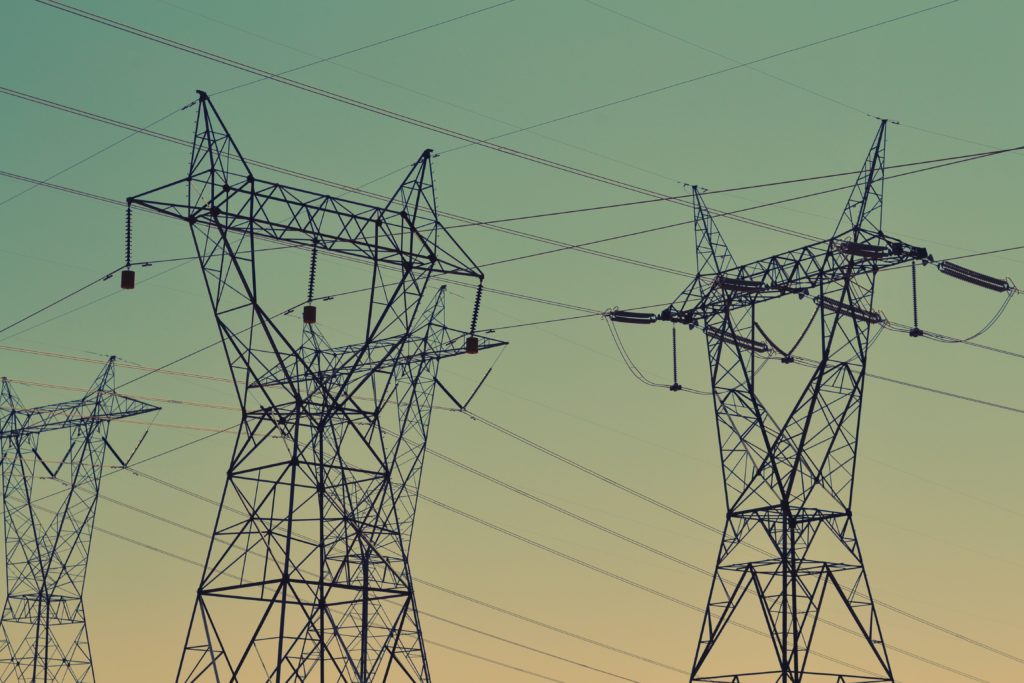
Electricity towers in the UK representing rising energy costs and fuel poverty

In England, fuel poverty is measured using the Low Income Low Energy Efficiency (LILEE) indicator. Under this measure, a household is considered fuel poor if they live in a property with an energy efficiency rating of band D or below and, after spending what they need on energy, their remaining income falls below the official poverty line.

Put simply, if heating your home properly means you cannot afford other basic necessities, you are likely in fuel poverty. According to government statistics published in 2025, millions of English households meet this definition, with those in older, poorly insulated homes and on lower incomes being hit hardest.

Why are energy prices still high in 2026?

Gas cooker hob representing household energy costs

Although wholesale gas prices have come down from the extreme peaks of 2022, energy bills in 2026 are still well above pre-2021 levels. Several factors keep prices elevated:

  • Ongoing global demand for natural gas, particularly from Asia and Europe
  • Continued geopolitical uncertainty affecting supply chains
  • The cost of transitioning to renewable energy sources, which is partially passed on to consumers
  • Network and infrastructure costs that make up a growing portion of your bill
  • Standing charges, which remain high regardless of how much energy you actually use

For Q1 2026, the Ofgem price cap sits at £1,758 per year for a typical dual-fuel household paying by direct debit. From April 2026, this falls to £1,641. While these figures are lower than the crisis peaks of 2022-2023, they remain a serious burden for households on lower incomes. If you are already struggling with utility bills debt, rising costs can quickly spiral.

How to reduce your energy bills and avoid fuel poverty

There are practical steps you can take to bring your energy costs down. Some require an upfront investment, while others are free changes you can make straight away. For more detailed guidance, read our full guide on energy saving tips to help you avoid debt.

Compare and switch your energy tariff

If you are on a standard variable tariff, you are likely paying more than you need to. Energy comparison sites let you check whether a fixed deal could save you money. Switching takes minutes and your new supplier handles the process for you. Even small savings per month add up over a year.

Use a smart meter to track your usage

Smart meters are available free from your energy supplier and give you real-time data on how much gas and electricity you are using. This makes it easier to spot where energy is being wasted and adjust your habits accordingly. Your supplier also gets automatic readings, so you avoid estimated bills.

Switch to LED lighting

Replacing old halogen bulbs with LED alternatives is one of the simplest ways to cut electricity costs. LED bulbs use up to 80% less energy and last significantly longer, saving you money on replacements too.

Choose energy-efficient appliances

Large appliances like fridges, washing machines and tumble dryers are among the biggest energy consumers in your home. When replacing them, look for models rated A or B on the energy label. The upfront cost is often higher, but the running costs are considerably lower over the appliance’s lifetime.

Turn your thermostat down by one degree

Reducing your thermostat by just one degree can cut your heating bill by around 10%, according to the Energy Saving Trust. Most people do not notice the difference in comfort, but you will notice the difference on your bill.

Wash clothes at a lower temperature

Modern detergents work effectively at 30 degrees. Washing at this temperature instead of 40 degrees reduces energy consumption for each cycle by roughly 40%, which adds up over hundreds of washes per year.

Improve your home insulation

Poor insulation is one of the main drivers of fuel poverty. Heat escapes through the roof, walls and windows, forcing you to spend more on heating. Double-glazed windows, loft insulation and cavity wall insulation can all make a significant difference to how well your home retains heat.

The government’s Great British Insulation Scheme has been helping eligible households get free or subsidised insulation, though this scheme is due to close at the end of March 2026. Check with your energy supplier to find out whether you can still apply. Other support may be available through the Energy Company Obligation (ECO) scheme, which funds energy efficiency improvements for low-income and vulnerable households.

Government help with fuel poverty and energy bills

Several government schemes exist to help people who are struggling with energy costs. It is worth checking whether you qualify for any of the following:

Warm Home Discount Scheme

The Warm Home Discount gives eligible households a one-off £150 discount on their electricity bill each winter. You may qualify if you receive the Guarantee Credit element of Pension Credit, or if you are on a low income and meet your energy supplier’s criteria. In England and Wales, most eligible people receive the discount automatically.

Winter Fuel Payment

If you were born before 22 September 1959, you could receive between £100 and £300 towards your heating bills for winter 2025/2026. Important changes were introduced recently: if your income exceeds £35,000, HMRC will recover the payment. Check the GOV.UK website for the latest eligibility rules, as these have changed significantly from previous years. Note that if you live in Scotland, a separate Pension Age Winter Heating Payment applies instead.

Cold Weather Payments

If you receive certain benefits (such as Universal Credit, Income Support or Pension Credit) and the temperature in your area drops to zero degrees or below for seven consecutive days, you may be eligible for a Cold Weather Payment of £25 for each qualifying week.

Household Support Fund

Your local council may offer help through the Household Support Fund, which can cover energy costs and other essentials. Eligibility varies by area, so contact your council directly to find out what support is available.

Are you in debt because of fuel poverty?

If high energy costs have pushed you into debt, you are not alone. Fuel poverty often leads to missed payments on utility bills and other household expenses, which can quickly become unmanageable. If you are struggling with rising utility bills and mounting debts, it is important to seek help early before the situation gets worse.

Swift Debt Help can provide you with information about debt management solutions that may be suitable for your circumstances, including an Individual Voluntary Arrangement (IVA) or bankruptcy. Get in touch with us today for a free, no-obligation debt assessment.

This article is for general information purposes only and does not constitute financial advice. Everyone’s financial situation is different, and you should seek professional advice tailored to your individual circumstances before making any decisions about managing your debts. Swift Debt Help is not a financial adviser.

Can You Get a Mortgage with an IVA?

If you’re wondering whether you can get a mortgage with an IVA, the short answer is yes, but it comes with significant challenges. An Individual Voluntary Arrangement typically means you already have substantial debts and a damaged credit history, both of which lenders take seriously. Borrowing restrictions during the arrangement add further hurdles. That said, getting a mortgage with an IVA is not impossible if you understand the process and plan carefully.

This article was originally published in a previous year and has been fully updated for 2026 to reflect current legislation, figures, and guidance.

This guide covers what you need to know about applying for a mortgage while in an IVA, the obstacles you could face, and how to improve your chances of success.

This article is for general information only and does not constitute financial advice. If you need tailored guidance, speak to a qualified financial adviser or your Insolvency Practitioner.

Can You Get a Mortgage with an IVA?

Person holding keys for house after getting a mortgage with an IVA

During an IVA, your debts are consolidated into a single monthly payment that you must maintain for the full duration of the arrangement, typically five to six years. Strict financial restrictions apply throughout, particularly around taking on new credit.

Under the terms of most IVAs, if you want to borrow more than £500, you need written permission from your Insolvency Practitioner (IP). This means that even though getting a mortgage with an IVA is technically possible, you cannot proceed without your IP’s approval first.

It is important to discuss your plans with your Insolvency Practitioner early on. They can help you understand whether a mortgage application is realistic given your financial position and IVA terms.

Will You Need a Specialist Mortgage Lender?

In most cases, yes. High street lenders rarely accept applications from people currently in an IVA. You will likely need to work with specialist or “adverse credit” mortgage lenders who have products designed for borrowers with poor credit histories.

These specialist lenders offer more flexible criteria, but the trade-off is clear: higher interest rates, larger fees, and a bigger deposit requirement. As of 2026, some specialist lenders may ask for deposits of 15% to 25% or more, compared to the 5% to 10% that mainstream lenders might accept from borrowers with clean credit.

A mortgage broker who specialises in adverse credit can be particularly helpful here, as they will know which lenders are most likely to consider your application.

How Does an IVA Affect a Mortgage Application?

Mortgage application form

An IVA can have a significant impact on every stage of the mortgage application process. Your primary obligation remains paying into the arrangement and clearing your debts, and the restrictions exist to protect that commitment. If you do obtain a mortgage while in an IVA, you may also need to attempt to release equity from the property towards the end of the IVA.

Several factors will shape what happens when you apply:

Disposable income

Lenders assess whether you can afford monthly repayments by looking at your disposable income. The difficulty is that most of your spare money must go towards your IVA contributions. If you are currently renting, the amount you pay in rent each month is often the best indicator of what mortgage repayment you could realistically manage.

Credit report impact

An IVA appears on your credit file and stays there for six years from the date it was registered. This has a severe negative effect on your credit score. Lenders run credit checks as part of every mortgage application, and an active IVA will count heavily against you. Many lenders will decline your application outright.

Higher costs and limited options

Even if a lender does approve your application, the mortgage is likely to carry high interest rates because of the perceived risk. When combined with your ongoing IVA payments, the total monthly outgoings can become difficult to sustain. In practice, many people in an IVA find that even when they qualify for a mortgage, the terms make it unaffordable.

Equity release obligations

If you already own a home when you enter an IVA, your arrangement may require you to attempt to remortgage and release equity in the final year. This equity is paid to your creditors as part of the IVA terms. Understanding how homeownership interacts with your IVA is essential before taking on any new mortgage commitments.

How to Get a Mortgage with an IVA: Step by Step

Row of little red houses representing mortgage options

If you have decided that applying for a mortgage is the right move and you can afford it, here is how to approach it:

1. Get permission from your Insolvency Practitioner. Applying for credit over £500 without their written consent breaches your IVA terms. A failed IVA could leave you facing your creditors directly, potentially leading to bankruptcy.

Your IP will consider:

  • Whether the mortgage is genuinely necessary
  • How long it will take you to repay
  • Whether you can comfortably cover the repayments alongside your IVA contributions
  • Whether it benefits or harms the interests of your creditors

They can refuse the request if they believe it would put your IVA at risk.

2. Research your options thoroughly. Compare deals from specialist lenders, paying close attention to interest rates, fees, and deposit requirements. A mortgage broker experienced with adverse credit situations can save you time and help you avoid unnecessary hard credit checks that would further damage your score.

3. Present the details to your IP. Once you have found a suitable deal, your Insolvency Practitioner will need to see the monthly repayment amount and confirm they are satisfied before giving final permission.

Applying for a Mortgage After an IVA

For many people, waiting until the IVA has finished is a far better strategy. Once you have completed your arrangement and been formally released, you are no longer bound by borrowing restrictions and do not need anyone’s permission to apply.

You will also have full control of your disposable income again, with no monthly IVA contributions to make. This generally means you can demonstrate stronger affordability, which broadens the range of lenders and products available to you.

There is a catch, though: the IVA remains on your credit file for six years from its start date. Lenders tend to view it less seriously as time passes, so applying a couple of years after completion rather than immediately can make a real difference to the interest rates you are offered.

Using that waiting period wisely makes a significant difference. Focus on:

  • Rebuilding your credit score with small, manageable credit (such as a credit builder card)
  • Saving a larger deposit to reduce the loan-to-value ratio
  • Keeping your finances stable and avoiding any missed payments
  • Checking your credit report for errors and getting them corrected

Bear in mind that a rejected mortgage application leaves a mark on your credit file, so only apply when you are reasonably confident of acceptance. Speaking to a broker beforehand can help you gauge your chances without committing to a formal application.

For more on how much debt you need to qualify for an IVA, or to understand what an IVA involves before you make any decisions, explore our other guides.

Find Out Whether You Could Be Better Off With An IVA.

Am I Eligible For an IVA?

Disclaimer: For guidance only. Financial information entered must be accurate and would require verification. Other factors will influence your most suitable debt solution.

Key Takeaways

Getting a mortgage with an IVA is possible but comes with real obstacles: you need your Insolvency Practitioner’s permission, you will likely pay higher rates, and your options are limited to specialist lenders. For many, waiting until the IVA is complete and spending time rebuilding credit is the more practical route to homeownership.

Whatever you decide, make sure you understand the full implications before committing. Speak to your IP, consider professional mortgage advice, and never rush into borrowing that could put your debt solution at risk.

The information in this article is for general guidance purposes only and does not constitute financial or legal advice. Everyone’s financial situation is different. If you are unsure about your options, please seek independent advice from a qualified professional.

How To Apply For An IVA

This page provides general information only and should not be considered financial advice. If you are struggling with debt, we recommend speaking to a qualified debt adviser or Insolvency Practitioner who can assess your individual circumstances.

If you are looking to apply for an IVA (Individual Voluntary Arrangement), understanding the process is the first step towards taking control of your finances. An IVA is a formal debt solution that allows you to make affordable monthly payments over a fixed period, typically five or six years. At the end of the arrangement, any remaining balances are written off and you become debt free. This guide explains what an IVA is, how the application process works, and what you need to know before getting started.

What is an IVA and how does it help with debt?

An Individual Voluntary Arrangement (IVA) is a legally binding agreement between you and your creditors. It provides a structured way to repay some or all of what you owe over a fixed period, usually five years. You make regular monthly payments based on what you can realistically afford, and your creditors agree to write off the remainder once the arrangement is complete.

Once an IVA is in place, your creditors cannot take further action to recover money from you, which means you are protected from bailiff enforcement. Interest and charges on the debts included in your IVA are also frozen. There are several benefits of an IVA that make it worth considering if you are dealing with unmanageable debt.

At the end of the IVA, your debts are considered settled and your creditors cannot chase you for the remaining balance.

How does the IVA process work?

When you apply for an IVA, you will work with a licensed Insolvency Practitioner (IP) who manages the entire process. They start by carrying out a thorough assessment of your finances. Once they have calculated your disposable income and what you can realistically afford to repay (usually over five years), they help you draft a proposal for your creditors.

This proposal sets out a plan to repay a percentage of your debts through monthly instalments. Your creditors then vote on whether to accept the terms. If at least 75% (by value) of voting creditors agree, the IVA is approved and becomes legally binding on all parties, including any creditors who voted against it.

You then make a single monthly payment to your Insolvency Practitioner, who distributes the funds to your creditors on your behalf. This is far simpler than juggling multiple debts with different payment dates. The IP’s fees are built into your monthly payment and agreed with creditors at the outset, so there are no hidden costs.

During the IVA, certain restrictions apply. For example, you cannot borrow more than £500 without your IP’s permission. You must also keep them informed of any changes to your circumstances, as your monthly payment could be adjusted up or down accordingly. If you are wondering whether an IVA might affect your ability to buy a home in the future, you can read more about getting a mortgage with an IVA.

As long as you keep up with your repayments, the IVA will end after the agreed term and the remaining debt is written off. Missing payments can lead to an extension, so it is important to communicate with your IP if you run into difficulties. You can learn more about the implications of an IVA before making a decision.

What debts can be included in an IVA?

Tipped over money jar with coins pouring out of it

Most unsecured debts can be included in an IVA. For a detailed breakdown, see our guide on what debts can be included in an IVA. Common examples include:

  • Personal loans (including payday loans)
  • Credit cards and store cards
  • Overdrafts
  • Utility bill arrears
  • Council tax arrears
  • Income tax and National Insurance arrears
  • Catalogue and buy-now-pay-later debts

Some debts cannot be included in an IVA. These typically include:

  • Student loans
  • Child maintenance arrears
  • TV licence arrears
  • Magistrates’ court fines
  • Social fund loans
  • Secured debts such as mortgages

How do you apply for an IVA?

The first step when considering an IVA is to seek guidance from a qualified professional. While an IVA can be an effective way to deal with unmanageable debt, it is not the right solution for everyone. Your personal circumstances, income, and the types of debt you hold all play a role in determining the best approach. To understand the minimum requirements, read our guide on how much debt you need for an IVA.

If an IVA looks suitable, the next step is to contact a licensed Insolvency Practitioner. Only an authorised IP can formally set up an IVA. They will review your finances in detail and work with you to build a proposal for your creditors.

What is the IVA application process step by step?

IVA application process steps

Step 1: Assessing your finances

Your Insolvency Practitioner begins by reviewing your full financial picture. They will need to see bank statements, payslips, details of your outgoings, and information about any assets you hold. This allows them to work out your disposable income and determine what you can afford to pay each month.

Step 2: Drafting your proposal

Using the information you have provided, your IP prepares a formal proposal for your creditors. This document outlines how much you will repay each month, the total duration of the arrangement, and what happens with any assets. If you own a property, you will not normally be required to sell it, although there may be a requirement to release equity towards the end of the IVA term if you are able to do so.

Your IP also prepares a detailed report for creditors explaining your financial position and why an IVA is in the best interests of all parties.

Step 3: The creditors’ vote

Once the proposal is ready, your IP contacts your creditors and gives them the opportunity to review the terms. This is done through a decision procedure (which replaced the old creditors’ meeting process). At least 75% of voting creditors by debt value must approve the IVA for it to go ahead. If approved, the arrangement is legally binding on all creditors, including those who voted against it.

Creditors may request modifications to the terms as a condition of their approval. You will be asked to agree to any changes before the IVA proceeds. You are not obligated to accept modifications, but rejecting them could mean the IVA is not approved.

The entire application process typically takes around three to four weeks from start to finish.

Step 4: Making your payments

Once approved, you start making your monthly payment to the IP, who then distributes funds to your creditors. You continue this for the agreed term, and at the end, any outstanding debt is written off.

Do you qualify for an IVA?

Eligibility for an IVA depends on your individual circumstances, and ultimately your creditors decide whether to approve the arrangement. As a general guide, you typically need to owe at least £5,000 to two or more creditors. You also need to be insolvent, meaning you cannot afford to keep up with your current debt repayments despite having a regular income.

Meeting these criteria does not guarantee approval, but it means an application may be worth exploring. Your Insolvency Practitioner will discuss all available options with you, including alternatives, to make sure you understand the full picture before proceeding. For a more detailed look at eligibility, read our guide on how much debt you need for an IVA in the UK.

What happens if your IVA is rejected?

rusty no entry sign

If your IVA is rejected, your financial situation remains as it was before you applied. You still owe the same debts, and if you paused contractual repayments during the application, additional charges may have built up.

It is possible to submit a new application, but this is generally only worthwhile if your circumstances have changed. When a proposal is rejected, creditors usually provide reasons, which can be helpful if you are considering trying again. There is no legal limit on how many times you can apply, and an IVA can still be approved in the future even if a previous application was turned down.

If an IVA is not the right fit, there are other debt solutions worth exploring.

Alternative debt solutions to consider

If an IVA is not suitable or your application is rejected, several other options may be available depending on your circumstances.

Bankruptcy

Declaring bankruptcy can provide a fresh start by writing off most of your unsecured debts. Your non-essential assets and disposable income are used to repay as much as possible. You are normally discharged from bankruptcy after 12 months, although income payment obligations can last up to three years. It costs £680 to petition for your own bankruptcy in England and Wales.

Debt Relief Order (DRO)

A Debt Relief Order freezes all your debt repayments and interest for 12 months. It is designed for people with low disposable income, few assets, and debts of £50,000 or less. You apply through an authorised debt adviser, and the application fee is £90. If your financial situation has not improved after 12 months, your debts are written off.

Debt Management Plan (DMP)

A Debt Management Plan is an informal arrangement where you negotiate reduced monthly payments with your creditors. Unlike an IVA, a DMP is not legally binding and you repay your debts in full over a longer period. It can be a good option if you want to avoid the restrictions that come with formal insolvency solutions, and it has less impact on your ability to borrow in the future.

Need more information?

If you are struggling with debts and want to understand your options, Swift Debt Help provides general information on IVAs and other debt solutions to help you get started. For reasons an IVA could be worth it, browse our resources or use the form below to request a debt assessment. A qualified adviser can then review your situation and explain the options available to you.

The information on this page is for general guidance only. It does not constitute financial advice. Always seek professional guidance before making decisions about debt solutions.

5 Things That Happen at the End of an IVA

If you are approaching the end of an IVA (Individual Voluntary Arrangement), you are probably wondering what happens next. An IVA typically lasts five or six years, during which you make regular payments towards your debts. Once completed, any remaining debt included in the arrangement is written off and you become debt free. Your Insolvency Practitioner (IP) will handle most of the process on your behalf, but knowing what to expect can help you prepare. Here are the five key things that happen at the end of an IVA.

1. Your Insolvency Practitioner checks your repayments

Insolvency Practitioner checking repayments on laptop

Before your IVA can officially be concluded, your IP will review your account to confirm that all payments have been made in full. If there is a shortfall, the IVA may be extended until the agreed total has been reached. Your IP will also check that you have met any other obligations set out in your arrangement, such as releasing equity from your home or selling specific assets where applicable.

This review stage is standard procedure and is governed by the terms of the IVA proposal that your creditors originally agreed to. The legal protections an IVA offers remain in place right up until this point, meaning creditors cannot chase you for the debts included in the arrangement while it is active.

2. You make your final IVA payment

payment app on phone next to laptop

Once your IP has confirmed everything is in order, you make your final monthly payment. After receiving it, the IP completes any outstanding administration on your account and distributes the remaining funds to your creditors. This final distribution closes the financial side of your IVA for good.

It is worth noting that your final payment amount will be the same as your regular monthly contribution. There is no lump sum or additional charge at the end of an IVA, unless your circumstances changed during the arrangement and a variation was agreed.

3. You receive an IVA completion certificate

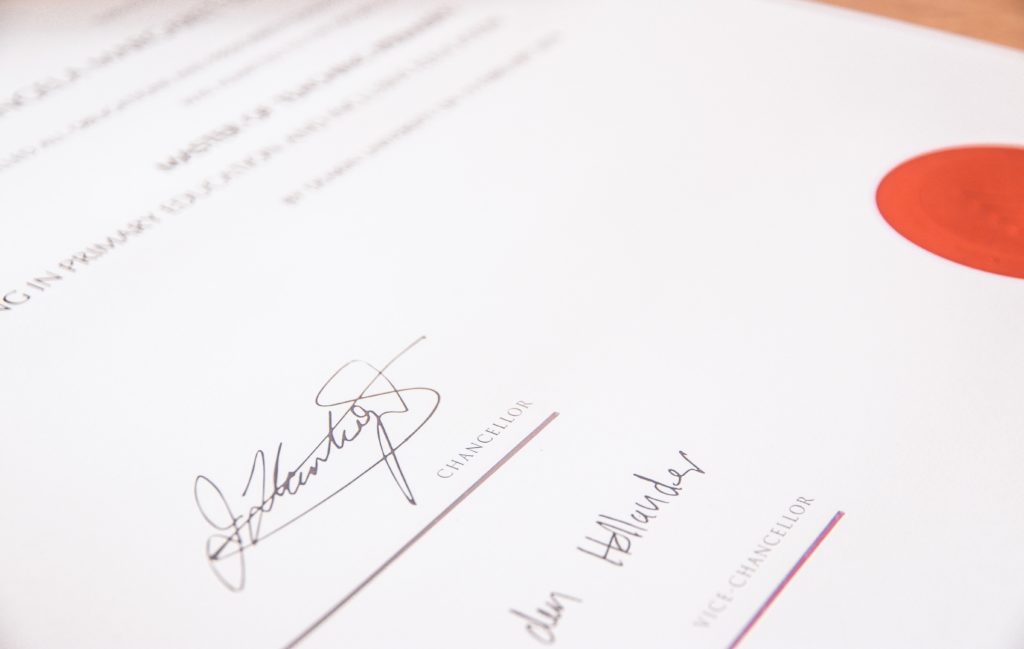
IVA completion certificate

After your final payment has been processed, your IP will issue a completion certificate. This is formal proof that you have fulfilled all the terms of your IVA and that the arrangement is now complete. Keep this document safe, as you may need it when applying for credit, a mortgage after your IVA, or other financial products in the future.
Your name should be removed from the Individual Insolvency Register within three months of your IVA ending. However, this does not always happen automatically, so it is a good idea to check the register yourself and contact the Insolvency Service if your entry has not been removed.

4. Your remaining debts are written off

man writing off debts

With the completion certificate issued, any remaining balances on the debts included in your IVA are legally written off. Your creditors are notified and they update their records to reflect a zero balance. You are no longer liable for these debts, regardless of how much was originally owed versus how much you actually repaid through the arrangement.

If you are unsure which debts were included, your IP can confirm this for you. Only debts listed in the original IVA proposal are covered. To learn more about what qualifies, see our guide on what debts can be included in an IVA.

5. You start rebuilding your finances

unlocking padlock

Once your IVA is finished, the money you were paying each month is yours again. This gives you more breathing room in your budget and the freedom to plan ahead without the weight of unmanageable debt. Many people find this moment genuinely life-changing after years of structured repayments.

Your credit file will show the IVA for six years from the date it was registered, so there may still be some impact on your ability to borrow in the short term. The good news is that you can begin improving your credit score after an IVA straight away by registering on the electoral roll, using a credit builder card responsibly, and keeping up with all household bills. Over time, your credit rating will recover.

For more practical advice on this stage, read our article on 5 helpful things to consider when your IVA ends.

What happens if you cannot complete your IVA?

If your financial circumstances change significantly during your IVA, for example through job loss or illness, speak to your IP as soon as possible. They may be able to arrange a payment break or vary the terms. In some cases, a Debt Relief Order or another solution may be more appropriate. The key is to act early rather than letting payments fall behind.

Considering an IVA?

If you are struggling with debt and want to understand whether an IVA could work for you, get in touch with Swift Debt Help today. We can talk you through the process and help you find the right solution for your situation. You can also read about the reasons an IVA might be worth considering.

This article is for general information only and does not constitute financial advice. If you need advice about your specific circumstances, please speak to a qualified debt adviser or Insolvency Practitioner.

Request a Debt Assessment

Disclaimer: For guidance only. Financial information entered must be accurate and would require verification. Other factors will influence your most suitable debt solution.

7 Benefits of an IVA

An Individual Voluntary Arrangement (IVA) can be an effective debt solution if you are unable to afford your monthly repayments to creditors. Understanding the benefits of an IVA will help you decide whether this is the right path for you. In short, you make an agreement with your creditors to pay back an affordable amount over a fixed period, typically five years, and any remaining balance is written off at the end.

Below are seven key IVA advantages worth considering before you make a decision.

1. What you repay is based on your affordability

paying using a credit card

You will work with an Insolvency Practitioner when entering into an IVA, and they will negotiate with your creditors on your behalf. They assess your finances to work out what you can realistically afford, then make an offer to your creditors. Usually, your IVA will offer them a return that is lower than the total debt owed. However, the amount you repay is still likely to be higher than it would be if you declared bankruptcy.

If your Insolvency Practitioner thinks that an IVA is the right option, they will help you draft a proposal containing a reasonable offer that works for both you and your creditors. Insolvency Practitioners work with creditors every day and would only agree to propose an IVA if they believe it has a reasonable chance of being accepted. You can learn more about eligibility in our guide on how much debt you need for an IVA.

2. Manageable monthly repayments

monthly payment

Your monthly payments are calculated based on your income and financial responsibilities at that point in time. In other words, you only pay what you can realistically afford each month, making IVAs an affordable debt solution. You will be able to clear your debt while also meeting your other financial obligations. If your circumstances change during the arrangement, it is possible for your payments to go up or down depending on your affordability at the time.

3. Creditors can no longer contact you

telephone

For many people, being chased by creditors is incredibly stressful and makes dealing with debt much harder. Once you enter into an IVA, your creditors can no longer demand payment from you. They are also barred from taking legal action against you, such as filing for a County Court Judgement. The agreement is legally binding, so you have protection against creditors for the full duration of the IVA.

You may still receive contact from creditors in the first few months of your IVA. This is usually because they have not yet updated their records. If this happens, simply inform them that you are in an IVA and direct them to your Insolvency Practitioner.

4. Interest and charges on unsecured debt are frozen

cash withdrawal from atm

Some people find themselves trapped in debt because their monthly payments only cover the interest. The principal amount never goes down, and late payment charges only add to the problem. It can feel like an impossible cycle to break.

When you enter an IVA, all interest and charges on unsecured debts included in the arrangement are frozen. This stops the debt from growing and means every payment you make goes towards reducing what you owe.

5. You have a clear end date

end sign

An IVA is proposed to last for a set period, typically five or six years. During that time, you make your monthly payments and comply with the terms of the arrangement. At the end, any remaining debt is written off, giving you a clean slate to start rebuilding your finances. If you miss payments, the IVA may be extended beyond the original term. As long as you meet your obligations, the fixed period gives you a clear light at the end of the tunnel. Find out more about what happens when your IVA ends.

6. Your assets are protected from bailiffs

assets protected

Without a formal debt solution in place, creditors who fail to receive payment can file a County Court Judgement against you. If granted, this is one step closer to them being able to send bailiffs to collect on the debt.

Once you enter into an IVA, your assets are protected. In some cases, certain assets may be included in the IVA and sold, with the money going to your creditors. However, you can typically exclude items like your car if it is of reasonable value and needed for daily life. You will not have to sell your home, though you may be asked to remortgage to release equity. Once the IVA is in place, creditors can no longer take enforcement action against you.

7. You receive support throughout the process

holding someone's hand to support them through debt problems

When you enter into an IVA, you work with an Insolvency Practitioner who provides guidance and support. Together, you will devise a household budget to work out your disposable income and make sure your payments are affordable. If you have concerns at any stage, or questions about how to proceed once the IVA is complete, somebody will always be available to help. That ongoing support makes a real difference, especially when you are dealing with significant debts.

Are there downsides to an IVA?

There are some drawbacks to be aware of. An IVA will affect your credit score, and you will be subject to certain financial restrictions for the duration of the arrangement. You can read more about these in our article on the implications of an IVA. That said, if your creditors are chasing you and your debts feel unmanageable, the benefits of an IVA can far outweigh the downsides for many people.

Get in touch with Swift Debt Help today if you are struggling with debts. We can talk you through the different debt solutions available and help you find the right option for your situation.

This article is for general informational purposes only and does not constitute financial advice. Your circumstances are unique, and you should seek guidance from a qualified Insolvency Practitioner or debt adviser before making any decisions about debt solutions.

Request a Debt Assessment

May not be suitable in all circumstances, Fees may apply, your credit rating may be affected.

Disclaimer: For guidance only. Financial information entered must be accurate and would require verification. Other factors will influence your most suitable debt solution.