Tag: Mortgage

How to Get a Mortgage After an IVA

Updated for 2026

If you have been through an Individual Voluntary Arrangement (IVA), the idea of applying for a mortgage might feel daunting. The good news is that having an IVA on your record does not automatically disqualify you from getting a mortgage. Plenty of people go on to become homeowners after completing their IVA, and with the right preparation, you can put yourself in a strong position to do the same.

This guide covers what you need to know about getting a mortgage after an IVA in 2026, from rebuilding your credit score to choosing the right broker.

How Does an IVA Affect Your Mortgage Application?

An IVA is a formal debt solution that stays on your credit report for six years from the date it was approved. During that time, most high street lenders will turn down your mortgage application. This is because an IVA signals to lenders that you previously struggled to manage your debts.

However, once the IVA drops off your credit file, your options open up significantly. Even before it disappears, some specialist lenders may consider your application, particularly if you can demonstrate that your finances have improved.

It is worth noting that an IVA is recorded on the Individual Insolvency Register, which is a public record. Lenders may check this as part of their due diligence, so transparency is always the best approach.

When Can You Apply for a Mortgage After an IVA?

Technically, you can apply at any point after your IVA has been completed. Your Insolvency Practitioner will issue a completion certificate confirming that all payments have been made and you are no longer bound by the arrangement. Keep this certificate safe, as lenders or brokers may want to see it.

In practice, your chances of approval improve significantly once the IVA has been removed from your credit report (six years after it started). If you completed your IVA early or it lasted the standard five years, there may only be a short gap before it falls off your file entirely.

Some specialist lenders will consider applications while the IVA is still showing, but you should expect higher interest rates and stricter terms.

Steps to Improve Your Chances

Get Your IVA Completion Certificate

Your completion certificate proves to lenders that you fulfilled all your obligations under the IVA. Without it, lenders have no way to verify that the arrangement ended successfully. Contact your Insolvency Practitioner if you have not received yours.

Rebuild Your Credit Score

Your credit score will have taken a hit during and immediately after your IVA. Rebuilding it takes time and patience, but there are practical steps you can take:

  • Register on the electoral roll at your current address
  • Check your credit report for errors and dispute any inaccuracies. You can do this through Experian, Equifax, or TransUnion
  • Consider a credit builder card, use it for small purchases and pay the balance in full each month
  • Report your rent payments through a free service like CreditLadder to build a track record of regular payments
  • Use Experian Boost to add your council tax and subscription payments to your credit file
  • Avoid applying for multiple credit products in a short period, as each hard search leaves a mark on your report

If you want a deeper dive into this topic, read our guide on how to improve your credit score after an IVA.

Save the Biggest Deposit You Can

A larger deposit reduces the risk for the lender and gives you access to better mortgage rates. While you are in your IVA, you are unlikely to have spare cash for saving. Once it ends, though, the money that was going towards your monthly IVA payment can be redirected into a savings pot.

Most lenders will want at least a 15% to 20% deposit if you have a history of insolvency. A 25% deposit or higher opens up even more options and better rates. With average UK house prices sitting around £290,000 in early 2026, that means you would need to save between £43,500 and £72,500 for a deposit, depending on where you are buying.

Keep Your Finances Stable

Lenders look at your overall financial behaviour, not just your credit score. Avoid overdrafts, keep up with all your regular bills, and maintain steady employment if possible. Having a stable income history of at least 12 months makes a noticeable difference to how lenders assess your application.

Using a Specialist Mortgage Broker

A specialist mortgage broker who has experience with post-insolvency applications is one of the most valuable resources available to you. They know which lenders are more likely to consider someone with an IVA history and can match you with appropriate products rather than wasting time on applications that will be declined.

A good broker will:

  • Review your credit report and financial situation before recommending lenders
  • Request a “soft search” initially to avoid unnecessary marks on your credit file
  • Explain the rates and terms you can realistically expect
  • Handle the application process and communicate with the lender on your behalf

Services like MoneyHelper can help you find a qualified mortgage adviser.

What About Getting a Mortgage During an IVA?

While your IVA is still active, getting a mortgage is extremely difficult. Your IVA terms will usually prevent you from taking on new credit of more than £500 without your Insolvency Practitioner’s written permission. Even with permission, very few lenders will approve a mortgage for someone currently in an IVA.

If you are a homeowner when you enter an IVA, you may be required to remortgage in the final year of the arrangement to release equity for your creditors. Our article on getting a mortgage with an IVA covers this in more detail.

Could Other Debt Solutions Affect Your Mortgage Prospects?

If you are still considering your options and have not yet entered an IVA, it is worth understanding how different debt solutions compare. A Debt Relief Order (DRO), for example, now covers debts up to £50,000 following the threshold increase in June 2024, and the application fee was abolished in April 2024, making it free to apply. A DRO also stays on your credit report for six years.

Bankruptcy is another route, currently costing £680 to apply, and it too remains on your credit file for six years. Both options can affect mortgage applications in similar ways to an IVA.

For a side-by-side comparison, read our post on things to know before declaring bankruptcy or explore the scenarios where an IVA could be the best solution.

Realistic Expectations for 2026

The UK mortgage market in 2026 is competitive, and lenders have become more open to applicants with complex credit histories than they were a decade ago. Specialist products exist specifically for people who have been through insolvency, and with the right preparation, your application does not have to be an uphill battle.

That said, you should expect:

  • Higher interest rates than someone with a clean credit history
  • A requirement for a larger deposit (typically 15% or more)
  • More paperwork and documentation, including your IVA completion certificate
  • Potentially longer processing times as lenders carry out extra checks

As your credit improves over time, you may be able to remortgage onto a better deal after a few years.

Free Debt Advice and Support

If you are still dealing with debt or unsure which solution is right for you, free and impartial advice is available from:

Ready to Take the Next Step?

Getting a mortgage after an IVA takes planning, patience, and the right guidance. If you are currently struggling with debt and want to understand your options, Swift Debt Help can point you in the right direction. We provide general information about debt solutions including IVAs, DROs, and bankruptcy to help you make informed decisions.

Request a free debt assessment to find out what options may be available to you.

Swift Debt Help provides general information only and does not offer financial advice. If you need regulated financial advice, please consult a qualified adviser.

Ready to Find Out if You Qualify for Help?

Use our Solution Finder for a free, no-obligation assessment. Our team can help you understand your options and take the first step towards a debt-free future.


Get Help Today

4 Reasons to Consider a Remortgage to Clear Debt

Updated for 2026

If you are struggling with debt, a remortgage to clear debt could be one way to regain control of your finances. Homeowners with sufficient equity may be able to release funds and pay off outstanding balances in one go, potentially saving thousands in interest. Before committing, it is worth understanding the key benefits and how this option compares to formal debt solutions.

By remortgaging your property you can release equity, which can then be used to clear your debts. Below are some of the key reasons homeowners choose this route.

1. Remortgage to clear debt and pay less interest

Man stacking coins on top of each other on table

Unsecured debts, including credit cards, overdrafts, personal loans and utility bill arrears, can all be cleared by remortgaging your home. Interest rates on unsecured borrowing tend to be considerably higher than mortgage rates because they are not secured against an asset. So, if you remortgage your home and use the funds to settle those debts, you could save a significant amount on interest over the long term.

With mortgage rates in 2026 still competitive compared to credit card APRs (which can easily exceed 20%), consolidating unsecured debts into your mortgage could reduce your overall monthly outgoings considerably.

2. You can remortgage for a better rate

Man collecting keys for a new house from woman with a small model of a house on the table

Even if you are unable to release additional cash by way of a remortgage, it may still be worth exploring this option. Mortgage rates fluctuate regularly, and you may be able to secure a better deal than you had when you first bought your home. This could free up extra money each month, giving you more to put towards your debt repayments.

That said, you are not guaranteed a better rate. Lenders will assess your credit score, the current value of your property and how much you want to borrow. If you are already in financial difficulty, you may find it harder to secure favourable terms when remortgaging.

3. You can borrow a larger amount if necessary

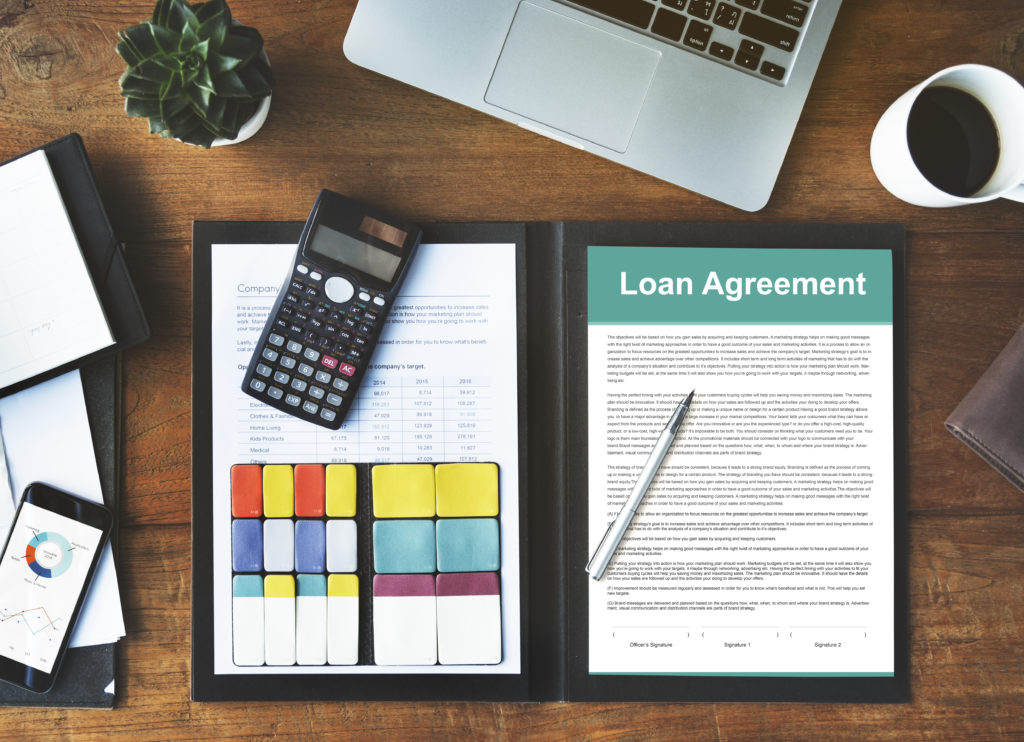
Loan agreement within a folder with calculator and pen on top

If you have large debts, you may be able to borrow a larger amount to clear them. The amount you can borrow is calculated based on the loan-to-value (LTV) ratio. For example, on a 90% LTV, the total amount you can borrow against a property worth £100,000 is £90,000. If you have paid off a portion of your mortgage already, or your home has increased in value, you may be able to access more equity than you initially expected.

4. It is an alternative to formal insolvency solutions

Formal insolvency solutions like bankruptcy (which currently costs £680 to apply for) or an IVA can help when you are unable to pay your debts. A portion of the debt may be written off and you make regular payments to clear the rest. Remortgaging is an alternative that does not carry the same negative impact on your credit score.

If your total debts are under £50,000 and you do not own property, a Debt Relief Order (DRO) might be worth considering instead. Since April 2024, the DRO application fee has been abolished entirely, making it a free option for those who qualify. The debt threshold was also raised to £50,000 in June 2024.

Is remortgaging to clear debt right for you?

If you have a lot of debts and you are unsure how to deal with them, Swift Debt Help can point you in the right direction. Get in touch today and we can discuss whether remortgaging or another debt solution might suit your situation.

This article is for general information only and does not constitute financial advice. You should seek independent advice before making decisions about your finances.

Request a Debt Assessment

Disclaimer: For guidance only. Financial information entered must be accurate and would require verification. Other factors will influence your most suitable debt solution.

Ready to Find Out if You Qualify for Help?

Use our Solution Finder for a free, no-obligation assessment. Our team can help you understand your options and take the first step towards a debt-free future.

Get Help Today

Can You Get a Mortgage with an IVA?

If you’re wondering whether you can get a mortgage with an IVA, the short answer is yes, but it comes with significant challenges. An Individual Voluntary Arrangement typically means you already have substantial debts and a damaged credit history, both of which lenders take seriously. Borrowing restrictions during the arrangement add further hurdles. That said, getting a mortgage with an IVA is not impossible if you understand the process and plan carefully.

This article was originally published in a previous year and has been fully updated for 2026 to reflect current legislation, figures, and guidance.

This guide covers what you need to know about applying for a mortgage while in an IVA, the obstacles you could face, and how to improve your chances of success.

This article is for general information only and does not constitute financial advice. If you need tailored guidance, speak to a qualified financial adviser or your Insolvency Practitioner.

Can You Get a Mortgage with an IVA?

Person holding keys for house after getting a mortgage with an IVA

During an IVA, your debts are consolidated into a single monthly payment that you must maintain for the full duration of the arrangement, typically five to six years. Strict financial restrictions apply throughout, particularly around taking on new credit.

Under the terms of most IVAs, if you want to borrow more than £500, you need written permission from your Insolvency Practitioner (IP). This means that even though getting a mortgage with an IVA is technically possible, you cannot proceed without your IP’s approval first.

It is important to discuss your plans with your Insolvency Practitioner early on. They can help you understand whether a mortgage application is realistic given your financial position and IVA terms.

Will You Need a Specialist Mortgage Lender?

In most cases, yes. High street lenders rarely accept applications from people currently in an IVA. You will likely need to work with specialist or “adverse credit” mortgage lenders who have products designed for borrowers with poor credit histories.

These specialist lenders offer more flexible criteria, but the trade-off is clear: higher interest rates, larger fees, and a bigger deposit requirement. As of 2026, some specialist lenders may ask for deposits of 15% to 25% or more, compared to the 5% to 10% that mainstream lenders might accept from borrowers with clean credit.

A mortgage broker who specialises in adverse credit can be particularly helpful here, as they will know which lenders are most likely to consider your application.

How Does an IVA Affect a Mortgage Application?

Mortgage application form

An IVA can have a significant impact on every stage of the mortgage application process. Your primary obligation remains paying into the arrangement and clearing your debts, and the restrictions exist to protect that commitment. If you do obtain a mortgage while in an IVA, you may also need to attempt to release equity from the property towards the end of the IVA.

Several factors will shape what happens when you apply:

Disposable income

Lenders assess whether you can afford monthly repayments by looking at your disposable income. The difficulty is that most of your spare money must go towards your IVA contributions. If you are currently renting, the amount you pay in rent each month is often the best indicator of what mortgage repayment you could realistically manage.

Credit report impact

An IVA appears on your credit file and stays there for six years from the date it was registered. This has a severe negative effect on your credit score. Lenders run credit checks as part of every mortgage application, and an active IVA will count heavily against you. Many lenders will decline your application outright.

Higher costs and limited options

Even if a lender does approve your application, the mortgage is likely to carry high interest rates because of the perceived risk. When combined with your ongoing IVA payments, the total monthly outgoings can become difficult to sustain. In practice, many people in an IVA find that even when they qualify for a mortgage, the terms make it unaffordable.

Equity release obligations

If you already own a home when you enter an IVA, your arrangement may require you to attempt to remortgage and release equity in the final year. This equity is paid to your creditors as part of the IVA terms. Understanding how homeownership interacts with your IVA is essential before taking on any new mortgage commitments.

How to Get a Mortgage with an IVA: Step by Step

Row of little red houses representing mortgage options

If you have decided that applying for a mortgage is the right move and you can afford it, here is how to approach it:

1. Get permission from your Insolvency Practitioner. Applying for credit over £500 without their written consent breaches your IVA terms. A failed IVA could leave you facing your creditors directly, potentially leading to bankruptcy.

Your IP will consider:

  • Whether the mortgage is genuinely necessary
  • How long it will take you to repay
  • Whether you can comfortably cover the repayments alongside your IVA contributions
  • Whether it benefits or harms the interests of your creditors

They can refuse the request if they believe it would put your IVA at risk.

2. Research your options thoroughly. Compare deals from specialist lenders, paying close attention to interest rates, fees, and deposit requirements. A mortgage broker experienced with adverse credit situations can save you time and help you avoid unnecessary hard credit checks that would further damage your score.

3. Present the details to your IP. Once you have found a suitable deal, your Insolvency Practitioner will need to see the monthly repayment amount and confirm they are satisfied before giving final permission.

Applying for a Mortgage After an IVA

For many people, waiting until the IVA has finished is a far better strategy. Once you have completed your arrangement and been formally released, you are no longer bound by borrowing restrictions and do not need anyone’s permission to apply.

You will also have full control of your disposable income again, with no monthly IVA contributions to make. This generally means you can demonstrate stronger affordability, which broadens the range of lenders and products available to you.

There is a catch, though: the IVA remains on your credit file for six years from its start date. Lenders tend to view it less seriously as time passes, so applying a couple of years after completion rather than immediately can make a real difference to the interest rates you are offered.

Using that waiting period wisely makes a significant difference. Focus on:

  • Rebuilding your credit score with small, manageable credit (such as a credit builder card)
  • Saving a larger deposit to reduce the loan-to-value ratio
  • Keeping your finances stable and avoiding any missed payments
  • Checking your credit report for errors and getting them corrected

Bear in mind that a rejected mortgage application leaves a mark on your credit file, so only apply when you are reasonably confident of acceptance. Speaking to a broker beforehand can help you gauge your chances without committing to a formal application.

For more on how much debt you need to qualify for an IVA, or to understand what an IVA involves before you make any decisions, explore our other guides.

Find Out Whether You Could Be Better Off With An IVA.

Am I Eligible For an IVA?

Disclaimer: For guidance only. Financial information entered must be accurate and would require verification. Other factors will influence your most suitable debt solution.

Key Takeaways

Getting a mortgage with an IVA is possible but comes with real obstacles: you need your Insolvency Practitioner’s permission, you will likely pay higher rates, and your options are limited to specialist lenders. For many, waiting until the IVA is complete and spending time rebuilding credit is the more practical route to homeownership.

Whatever you decide, make sure you understand the full implications before committing. Speak to your IP, consider professional mortgage advice, and never rush into borrowing that could put your debt solution at risk.

The information in this article is for general guidance purposes only and does not constitute financial or legal advice. Everyone’s financial situation is different. If you are unsure about your options, please seek independent advice from a qualified professional.

Ready to Find Out if You Qualify for Help?

Use our Solution Finder for a free, no-obligation assessment. Our team can help you understand your options and take the first step towards a debt-free future.
Get Help Today

Fuel Poverty UK: What It Means and How to Deal With It in 2026

Fuel poverty remains one of the biggest financial challenges facing UK households in 2026. With the Ofgem energy price cap set at £1,758 per year for a typical household during Q1 2026 (dropping to £1,641 from April), millions of people are still spending a significant chunk of their income on keeping their homes warm. If your energy costs are leaving you short on essentials, you could be experiencing fuel poverty. This guide explains what fuel poverty means, why energy prices remain high, and practical steps you can take to reduce your bills.

This article was originally published in a previous year and has been fully updated for 2026 to reflect current legislation, figures, and guidance.

What is fuel poverty?

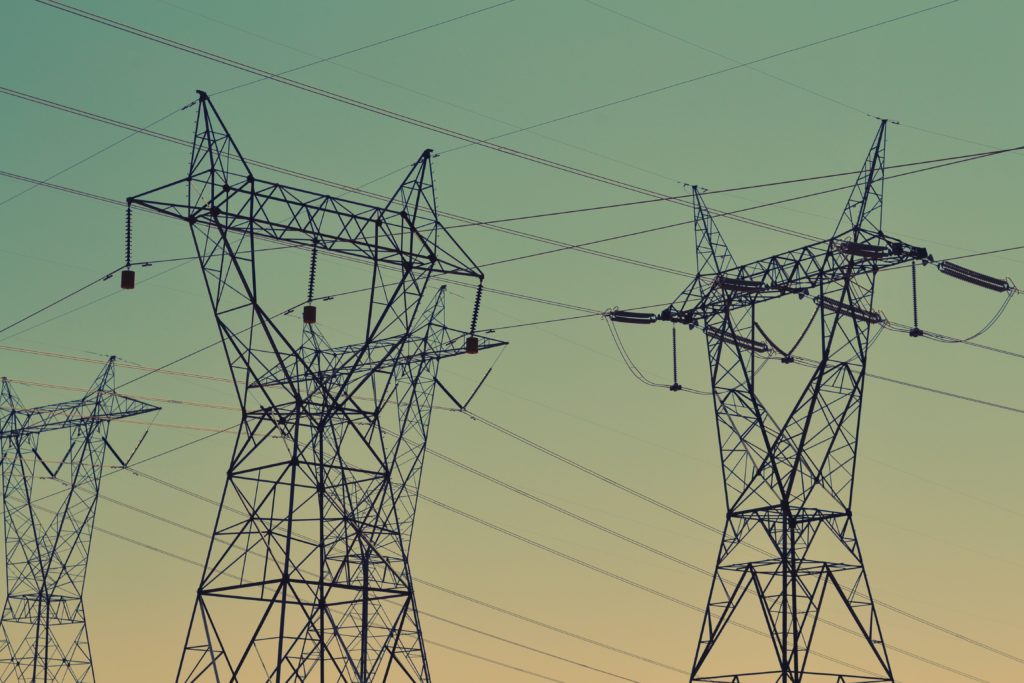
Electricity towers in the UK representing rising energy costs and fuel poverty

In England, fuel poverty is measured using the Low Income Low Energy Efficiency (LILEE) indicator. Under this measure, a household is considered fuel poor if they live in a property with an energy efficiency rating of band D or below and, after spending what they need on energy, their remaining income falls below the official poverty line.

Put simply, if heating your home properly means you cannot afford other basic necessities, you are likely in fuel poverty. According to government statistics published in 2025, millions of English households meet this definition, with those in older, poorly insulated homes and on lower incomes being hit hardest.

Why are energy prices still high in 2026?

Gas cooker hob representing household energy costs

Although wholesale gas prices have come down from the extreme peaks of 2022, energy bills in 2026 are still well above pre-2021 levels. Several factors keep prices elevated:

  • Ongoing global demand for natural gas, particularly from Asia and Europe
  • Continued geopolitical uncertainty affecting supply chains
  • The cost of transitioning to renewable energy sources, which is partially passed on to consumers
  • Network and infrastructure costs that make up a growing portion of your bill
  • Standing charges, which remain high regardless of how much energy you actually use

For Q1 2026, the Ofgem price cap sits at £1,758 per year for a typical dual-fuel household paying by direct debit. From April 2026, this falls to £1,641. While these figures are lower than the crisis peaks of 2022-2023, they remain a serious burden for households on lower incomes. If you are already struggling with utility bills debt, rising costs can quickly spiral.

How to reduce your energy bills and avoid fuel poverty

There are practical steps you can take to bring your energy costs down. Some require an upfront investment, while others are free changes you can make straight away. For more detailed guidance, read our full guide on energy saving tips to help you avoid debt.

Compare and switch your energy tariff

If you are on a standard variable tariff, you are likely paying more than you need to. Energy comparison sites let you check whether a fixed deal could save you money. Switching takes minutes and your new supplier handles the process for you. Even small savings per month add up over a year.

Use a smart meter to track your usage

Smart meters are available free from your energy supplier and give you real-time data on how much gas and electricity you are using. This makes it easier to spot where energy is being wasted and adjust your habits accordingly. Your supplier also gets automatic readings, so you avoid estimated bills.

Switch to LED lighting

Replacing old halogen bulbs with LED alternatives is one of the simplest ways to cut electricity costs. LED bulbs use up to 80% less energy and last significantly longer, saving you money on replacements too.

Choose energy-efficient appliances

Large appliances like fridges, washing machines and tumble dryers are among the biggest energy consumers in your home. When replacing them, look for models rated A or B on the energy label. The upfront cost is often higher, but the running costs are considerably lower over the appliance’s lifetime.

Turn your thermostat down by one degree

Reducing your thermostat by just one degree can cut your heating bill by around 10%, according to the Energy Saving Trust. Most people do not notice the difference in comfort, but you will notice the difference on your bill.

Wash clothes at a lower temperature

Modern detergents work effectively at 30 degrees. Washing at this temperature instead of 40 degrees reduces energy consumption for each cycle by roughly 40%, which adds up over hundreds of washes per year.

Improve your home insulation

Poor insulation is one of the main drivers of fuel poverty. Heat escapes through the roof, walls and windows, forcing you to spend more on heating. Double-glazed windows, loft insulation and cavity wall insulation can all make a significant difference to how well your home retains heat.

The government’s Great British Insulation Scheme has been helping eligible households get free or subsidised insulation, though this scheme is due to close at the end of March 2026. Check with your energy supplier to find out whether you can still apply. Other support may be available through the Energy Company Obligation (ECO) scheme, which funds energy efficiency improvements for low-income and vulnerable households.

Government help with fuel poverty and energy bills

Several government schemes exist to help people who are struggling with energy costs. It is worth checking whether you qualify for any of the following:

Warm Home Discount Scheme

The Warm Home Discount gives eligible households a one-off £150 discount on their electricity bill each winter. You may qualify if you receive the Guarantee Credit element of Pension Credit, or if you are on a low income and meet your energy supplier’s criteria. In England and Wales, most eligible people receive the discount automatically.

Winter Fuel Payment

If you were born before 22 September 1959, you could receive between £100 and £300 towards your heating bills for winter 2025/2026. Important changes were introduced recently: if your income exceeds £35,000, HMRC will recover the payment. Check the GOV.UK website for the latest eligibility rules, as these have changed significantly from previous years. Note that if you live in Scotland, a separate Pension Age Winter Heating Payment applies instead.

Cold Weather Payments

If you receive certain benefits (such as Universal Credit, Income Support or Pension Credit) and the temperature in your area drops to zero degrees or below for seven consecutive days, you may be eligible for a Cold Weather Payment of £25 for each qualifying week.

Household Support Fund

Your local council may offer help through the Household Support Fund, which can cover energy costs and other essentials. Eligibility varies by area, so contact your council directly to find out what support is available.

Are you in debt because of fuel poverty?

If high energy costs have pushed you into debt, you are not alone. Fuel poverty often leads to missed payments on utility bills and other household expenses, which can quickly become unmanageable. If you are struggling with rising utility bills and mounting debts, it is important to seek help early before the situation gets worse.

Swift Debt Help can provide you with information about debt management solutions that may be suitable for your circumstances, including an Individual Voluntary Arrangement (IVA) or bankruptcy. Get in touch with us today for a free, no-obligation debt assessment.

This article is for general information purposes only and does not constitute financial advice. Everyone’s financial situation is different, and you should seek professional advice tailored to your individual circumstances before making any decisions about managing your debts. Swift Debt Help is not a financial adviser.

Ready to Find Out if You Qualify for Help?

Use our Solution Finder for a free, no-obligation assessment. Our team can help you understand your options and take the first step towards a debt-free future.

Get Help Today