5 Common Causes of a Decreased Credit Score

Updated for 2026

5 Common Causes of a Decreased Credit Score

Your credit score affects almost every financial decision you make, from applying for a mortgage to getting a mobile phone contract. If your score has dropped recently, you are not alone. Millions of people across the UK see unexpected dips in their credit rating each year, and the reasons are not always obvious.

Understanding what causes your credit score to fall is the first step towards fixing it. In this guide, we look at five of the most common reasons your score might have decreased, and what you can do about each one.

What Is a Credit Score and How Is It Calculated?

A credit score is a number that represents how reliable you are as a borrower. In the UK, the three main credit reference agencies, Experian, Equifax, and TransUnion, each use their own scoring system. Experian scores range from 0 to 999, Equifax from 0 to 1,000, and TransUnion from 0 to 710.

These agencies collect data from banks, utility providers, mobile phone companies, and public records such as the electoral roll. They build a picture of your borrowing history, including how much credit you have, whether you pay on time, and how often you apply for new borrowing.

Lenders use this information to decide whether to offer you credit, and at what interest rate. A higher score generally means better deals and lower rates. A lower score can mean higher costs, or being turned down altogether.

You can check your credit report for free through services like MoneyHelper’s guide to checking your credit score. It is worth doing this regularly so you can spot problems early.

1. Using Too Much of Your Available Credit

Your credit utilisation ratio is the percentage of your total available credit that you are currently using. If you have a credit card with a £5,000 limit and you have spent £4,000 on it, your utilisation is 80%. That is high, and it sends a signal to lenders that you might be relying too heavily on borrowed money.

Most experts recommend keeping your utilisation below 30%. So on that £5,000 card, try to keep the balance under £1,500 where possible. If you regularly max out your cards, even if you pay them off each month, your score can still take a hit because the balance is often reported before your payment is processed.

On the other hand, using no credit at all can also work against you. Lenders want to see evidence that you can borrow responsibly. If your cards sit unused for months, there is no recent data to demonstrate good financial behaviour.

The key is balance. Use your credit regularly, keep balances low, and pay off as much as you can each month.

2. Missing or Late Payments

Your payment history is the single biggest factor in your credit score. Even one missed payment can leave a mark on your credit file for up to six years, and the impact is immediate. A payment that is 30 days late will trigger a default marker that lenders can see straight away.

If you have a high credit score, the drop from a missed payment can be especially sharp. Someone with a score of 900 might see a bigger numerical fall than someone already sitting at 500, because the models treat the missed payment as more unusual for someone with otherwise clean history.

Multiple missed payments are worse still. If you fall into arrears, where you owe several months of payments on an account, the damage to your score compounds over time. This can make it harder to access affordable credit when you need it most.

If you have missed a payment, the best thing you can do is get back on track as quickly as possible. Set up direct debits for at least the minimum payment on every account. If you are struggling to keep up with repayments, free debt advice is available from StepChange, who can help you work out a plan.

3. Paying Off a Loan or Closing an Account

This one catches people off guard. You would think that paying off a loan would be good for your score, and in the long run it often is. But in the short term, it can actually cause a dip.

Credit scoring models like to see a healthy mix of different credit types. If you have a mortgage, a credit card, and a personal loan, that diversity works in your favour. When you pay off the loan, you reduce that mix, and your score might drop slightly as a result.

Similarly, closing an old bank account or credit card can shorten the average age of your credit history. Older accounts show stability, so removing them can make your credit profile look younger and less established than it actually is.

Before closing old accounts, check whether they carry any annual fees. If an old credit card costs you nothing to keep open, it might be worth leaving it active, even if you rarely use it. Just make sure there are no forgotten balances ticking away in the background, as even a small unpaid amount can generate missed payment markers.

4. Applying for New Credit Too Often

Every time you apply for a credit card, loan, or other form of borrowing, the lender runs a hard search on your credit file. Each hard search is visible to other lenders and stays on your file for 12 months. One or two searches are not a problem, but several in a short space of time can make it look like you are desperate for credit, which is a red flag for lenders.

If you need to compare deals, look for lenders that offer eligibility checkers using soft searches first. A soft search lets you see whether you are likely to be accepted without leaving a mark on your credit file. Many comparison websites and lenders now offer this, so there is no reason to apply speculatively and risk multiple hard searches.

As a general rule, try to leave at least three to six months between credit applications. This gives your score time to recover from any recent searches and shows lenders that you are not applying everywhere at once.

5. Errors on Your Credit Report

Sometimes your credit score drops and you have done nothing wrong. Mistakes on credit reports are more common than you might think. An account that does not belong to you, a payment incorrectly marked as missed, or outdated address information can all drag your score down without you realising.

Under UK law, you have the right to dispute any inaccuracies on your credit report. The credit reference agency must investigate and correct any errors within 28 days. You can also add a “notice of correction” to your file, which is a short statement explaining any unusual circumstances, such as a period of illness that led to missed payments.

Check your report with all three agencies, as they do not always hold the same information. You can access your Experian report through their free service, your Equifax data through ClearScore, and your TransUnion report through Credit Karma. The gov.uk guidance on credit reference agencies explains your rights in more detail.

What to Do If Your Credit Score Keeps Falling

If you have checked all five of the causes above and your score is still dropping, it may be worth looking at the bigger picture. Persistent debt problems can create a cycle where missed payments and high utilisation feed off each other, making recovery harder over time.

There are formal debt solutions available in the UK that can help you regain control of your finances. A Debt Management Plan (DMP) lets you make reduced monthly payments to your creditors based on what you can afford. An Individual Voluntary Arrangement (IVA) is a legally binding agreement that can write off a portion of your unsecured debt after a set period, typically five or six years.

For smaller debts, a Debt Relief Order (DRO) may be an option if your total qualifying debts are under £50,000. The DRO application fee is now free, making it more accessible than ever. For larger debts where other options are not suitable, bankruptcy remains available, though the court fee of £680 still applies.

Each of these solutions will affect your credit score in different ways, and none of them should be entered into lightly. Free, impartial advice from organisations like StepChange or MoneyHelper can help you understand which option is right for your situation.

Get Free Debt Advice Today

If your credit score has dropped and debt is part of the problem, we can help you explore your options. Our team can talk you through the solutions available and help you find a way forward that works for your circumstances.

Contact us today for a free, no-obligation chat about your situation.

Disclaimer: This article is for general information purposes only and does not constitute financial advice. If you are struggling with debt, please seek advice from a qualified professional or contact a free debt charity such as StepChange or MoneyHelper.

IVA or Debt Relief Order: Which Is Right for You?

Updated for 2026

If you are struggling with debt and looking for a way to get back on track, you have probably come across two common solutions: an Individual Voluntary Arrangement (IVA) and a Debt Relief Order (DRO). Both are formal, legally binding debt solutions available in England, Wales and Northern Ireland, but they work in very different ways. Choosing the right one depends on your circumstances, the amount you owe and what you can afford to pay each month.

This guide breaks down how each option works in 2026, who qualifies and the advantages and drawbacks of both, so you can make an informed decision about which route might suit your situation.

What Is an IVA?

An IVA is a formal agreement between you and your creditors, managed by a licensed Insolvency Practitioner (IP). Your IP assesses your income and essential outgoings, then proposes a monthly payment you can realistically afford. If your creditors holding 75% or more of the total debt value approve the arrangement, it becomes legally binding on all of them.

A typical IVA lasts five to six years. During that time, you make a single monthly payment that gets distributed among your creditors. At the end of the arrangement, any remaining debt included in the IVA is written off. You can include most unsecured debts: credit cards, personal loans, catalogue debts, overdrafts and some tax debts.

For more on how IVAs work in practice, StepChange has a detailed IVA guide worth reading.

What Is a Debt Relief Order?

A DRO is designed for people who owe relatively little, have minimal assets and no realistic way of repaying what they owe. When a DRO is granted, your debts and any interest are frozen for 12 months. If your situation has not significantly improved during that period, the debts are written off entirely.

As of 2026, the DRO debt threshold is £50,000, and the application fee has been scrapped completely, making it free to apply. You apply through an approved intermediary, usually a debt adviser at a charity like Citizens Advice or StepChange. The Insolvency Service then decides whether to grant the order.

The gov.uk guide on DROs sets out the full eligibility criteria.

IVA Eligibility: Who Can Apply?

To qualify for an IVA, you generally need to:

  • Owe at least £6,000 in unsecured debt (though some IPs set higher minimums)
  • Have two or more creditors
  • Be able to afford regular monthly payments after essential living costs
  • Live or have a connection to England, Wales or Northern Ireland

There is no upper debt limit for an IVA. Homeowners can apply, and business owners can continue trading while in an IVA, which makes it a flexible option for a wider range of people.

DRO Eligibility: Who Can Apply?

DRO criteria are stricter. To qualify in 2026, you must:

  • Owe no more than £50,000 in qualifying debt
  • Have assets worth no more than £2,000 (your car can be worth up to £4,000)
  • Have a surplus income of no more than £75 per month after essential costs
  • Not be a homeowner
  • Not have had a DRO in the last six years
  • Live in England, Wales or Northern Ireland

The application fee was removed in 2024, so there is now no cost to apply for a DRO. This makes it one of the most accessible debt solutions for people on very low incomes.

Advantages of an IVA

An IVA can be a strong option if you have a regular income and want to avoid bankruptcy. Here are the main benefits:

  • Any debt remaining at the end of the arrangement is written off
  • Your monthly payment is based on what you can genuinely afford
  • Creditors cannot chase you for payment or take legal action while the IVA is active
  • Interest and charges on included debts are frozen
  • Homeowners can protect their property (though equity release may be required in the final year)
  • Business owners can keep trading

Drawbacks of an IVA

An IVA is not without its downsides. You should be aware of these before committing:

  • It lasts five to six years, so it is a long commitment
  • If the IVA fails (for example, you miss payments), you could face bankruptcy
  • Your IVA is recorded on the Insolvency Register, which is public
  • It stays on your credit file for six years from the start date
  • Certain jobs, particularly in finance or law, may be affected
  • You must follow a strict budget throughout the arrangement
  • Homeowners may need to release equity from their property in year five

Advantages of a DRO

For people with very little income and few assets, a DRO offers a quick and affordable way to deal with debt:

  • It is completely free to apply
  • Debts are frozen for 12 months and then written off
  • Creditors cannot pursue you or take legal action during the DRO
  • There are no monthly payments to make
  • It is one of the fastest formal debt solutions available

Drawbacks of a DRO

A DRO comes with restrictions too:

  • You must meet strict eligibility criteria, including the £50,000 debt cap and £75 surplus income limit
  • Homeowners cannot apply
  • It appears on the Insolvency Register for 15 months
  • It stays on your credit file for six years
  • If your financial situation improves during the 12 months, the DRO can be revoked
  • You cannot apply for credit of £500 or more without telling the lender about the DRO

IVA vs DRO: a Quick Comparison

Here is a straightforward comparison to help you see the differences at a glance:

  • Monthly payments: IVA requires regular payments; DRO has no payments
  • Duration: IVA lasts five to six years; DRO lasts 12 months
  • Debt limit: IVA has no upper limit; DRO caps at £50,000
  • Cost to apply: IVA fees are included in payments; DRO is free
  • Homeowners: IVA allows homeowners; DRO does not
  • Credit impact: both stay on your credit file for six years

Which One Is Right for You?

The right choice depends entirely on your personal circumstances. If you have a steady income and can afford to make monthly payments, an IVA lets you pay back what you can afford and have the rest written off over time. It is particularly suitable if you own your home or run a business.

If your income is very low, you have minimal assets and your debts are under £50,000, a DRO could clear your debts in just 12 months with no cost and no monthly payments. It is designed specifically for people who genuinely cannot afford to repay what they owe.

Neither option should be entered into lightly. Both affect your credit rating for six years and appear on public registers. It is always worth speaking to a qualified debt adviser before making a decision. You can get free, impartial advice from MoneyHelper or StepChange.

Get Free Debt Advice Today

If you are unsure whether an IVA or DRO is the right fit, we can help point you in the right direction. Use our free eligibility checker below, or request a call back from one of our friendly advisers. There is no obligation and no judgement, just straightforward guidance to help you take the next step.

Check your options now

Swift Debt Help does not provide financial advice. The information on this page is for general guidance only. Debt solutions may not be suitable for everyone, and fees may apply depending on the solution. Your credit rating may be affected. Always seek advice from a qualified professional before entering into any debt solution.

4 Alternative Solutions If Your IVA Is Rejected

What Happens If Your IVA Is Rejected?

Updated for 2026

Having your Individual Voluntary Arrangement (IVA) rejected can feel like a setback, but it is not the end of the road. There are several alternative debt solutions available to you in 2026, each with their own benefits and drawbacks. This guide walks you through four realistic options so you can make an informed decision about your next steps.

Why Would an IVA Be Rejected?

An IVA needs approval from creditors who hold at least 75% of your total debt value. If they feel the proposed repayment amount is too low, or if there are concerns about your financial disclosure, they may vote against it. Your Insolvency Practitioner (IP) can sometimes put forward a revised proposal, but if that also fails, you will need to consider other routes.

It is worth knowing that a rejected IVA does not make your debts disappear. Your creditors can still pursue you for the full amount, so acting quickly to find an alternative is important.

1. Debt Consolidation Loan

A debt consolidation loan lets you combine multiple debts into a single monthly repayment, often at a lower interest rate than your existing credit agreements.

Advantages

  • One monthly payment instead of juggling several creditors
  • Potentially lower interest rate, reducing the total cost of borrowing
  • Once your original debts are cleared, creditors can no longer chase you for those balances
  • Fixed repayment term gives you a clear end date

Disadvantages

  • You will need a reasonable credit score to qualify, so this may not be an option if your credit history is poor
  • Secured loans put your home at risk if you cannot keep up repayments
  • There may be arrangement fees or early repayment charges on your existing debts
  • It does not reduce the total amount you owe

If you are considering this route, MoneyHelper has a useful guide on debt consolidation that covers the key things to watch out for.

2. Debt Management Plan (DMP)

A Debt Management Plan is an informal agreement where a third-party provider negotiates reduced monthly payments with your creditors on your behalf. Unlike an IVA, it is not legally binding.

Advantages

  • Straightforward to set up, with no court involvement
  • You repay what you can genuinely afford each month
  • Free DMP providers such as StepChange exist, so you do not have to pay for the service
  • Flexible: you can increase payments or settle early if your circumstances improve

Disadvantages

  • Your creditors are not legally obliged to stick to the arrangement and could still pursue legal action
  • Interest and charges may continue to be added unless your creditors agree to freeze them
  • It can take significantly longer to clear your debts compared to formal solutions
  • Your credit rating will still be affected

3. Bankruptcy

Bankruptcy is a formal legal process that can write off most of your unsecured debts. In 2026, you can apply for bankruptcy online through the GOV.UK bankruptcy service. The application fee is currently £680.

Advantages

  • Most unsecured debts are written off entirely
  • Creditors must stop all enforcement action against you once a bankruptcy order is made
  • You are typically discharged after 12 months, giving you a fresh financial start
  • Pressure from debt collectors and threatening letters stops

Disadvantages

  • Your assets, including your home, may be sold to repay creditors
  • Your bankruptcy is publicly recorded on the Insolvency Register and published in The London Gazette
  • If you own or run a business, it could be sold or closed
  • Certain professions have restrictions on people who have been made bankrupt
  • It stays on your credit file for six years

Bankruptcy is a serious step, but for people with no realistic way of repaying their debts, it can provide genuine relief. You can compare it directly with an IVA in our guide to IVA vs Bankruptcy.

4. Debt Relief Order (DRO)

A Debt Relief Order is designed for people with lower levels of debt who have minimal assets and limited spare income. The rules were updated significantly in 2024, making DROs accessible to far more people.

Key Changes for 2026

  • The debt threshold was raised from £30,000 to £50,000 in June 2024, meaning you can now include substantially more debt
  • The DRO application fee was abolished in April 2024, so applying is now completely free
  • The surplus income limit remains at £75 per month

Advantages

  • No application fee: it costs nothing to apply
  • Interest and charges on your debts are frozen for 12 months
  • Creditors cannot take legal action against you during the moratorium period
  • After 12 months, your qualifying debts are written off entirely

Disadvantages

  • Strict eligibility criteria: your total debts must not exceed £50,000, your assets must be worth less than £2,000, and your surplus monthly income must be under £75
  • You cannot be a homeowner
  • It is recorded on the Insolvency Register and your credit file for six years
  • You can only apply through an approved intermediary, not directly

For a detailed comparison, read our article on DRO vs IVA.

Which Option Is Right for You?

The best alternative depends entirely on your personal circumstances: how much you owe, whether you own property, your monthly income, and how quickly you want to become debt-free.

Here is a quick comparison:

  • If you have a decent credit score and want to simplify payments: a debt consolidation loan may work
  • If you want flexibility without legal commitment: a Debt Management Plan is worth exploring
  • If your debts are unmanageable and you need a complete fresh start: bankruptcy could be the answer
  • If you owe less than £50,000 with minimal assets and income: a Debt Relief Order is now free and could write off everything

Whatever you decide, getting professional advice early makes a real difference. Free, impartial guidance is available from StepChange and MoneyHelper.

Disclaimer: This article is for general information only and does not constitute financial advice. Your circumstances are unique, and you should seek professional guidance before making any decisions about debt solutions. Information provided would require verification, and other factors will influence the most suitable option for you.

Need Help Finding the Right Debt Solution?

If your IVA has been rejected and you are unsure what to do next, get in touch for a free, no-obligation assessment. We can help you understand which debt solution fits your situation.

Request a Free Debt Assessment

5 Helpful Things To Consider When Your IVA Ends

Updated for 2026

When your IVA ends, it marks the start of a fresh financial chapter. After completing an Individual Voluntary Arrangement (IVA), your Insolvency Practitioner will confirm that all payments have been made and issue you with a completion certificate. You are now debt free and can move forward with a clean slate. That said, an IVA does leave a lasting mark on your credit file, so there are a few practical steps worth taking to protect your finances going forward. Here are five helpful things to consider when your IVA ends.

Please note: this article is for general information only and does not constitute financial advice. If you are unsure about your situation, seek guidance from a qualified professional.

1. Keep budgeting after your IVA ends

The habits you built during your IVA are genuinely valuable. You have spent years living within a strict budget, and that discipline is worth holding onto now that your arrangement has finished.

Rather than letting your spending creep back up, keep tracking your income and outgoings each month. The money that was going towards your IVA payments can now be redirected into savings or an emergency fund. Building that financial buffer means you are far less likely to end up dealing with problem debt again.

If budgeting feels like a chore, there are plenty of free apps and tools available in 2026 that make it simple to keep on top of your money.

2. Open a savings account or ISA

Now that you are more financially stable, putting money aside for the future makes sense. A high-interest savings account or an ISA is a good place to start.

The main benefit of an ISA is that you will not pay tax on the interest you earn. For the 2025/26 tax year, the annual ISA allowance remains at £20,000. However, there are different types of ISA, and some restrict access to your funds for a set period, so make sure the account you choose suits your needs.

A standard easy-access savings account offers more flexibility if you want to keep your money within reach. Either way, getting into the habit of saving regularly, even small amounts, builds long-term financial resilience.

3. Use credit responsibly to rebuild your score

It might feel counterintuitive, but using credit responsibly after your IVA is one of the most effective ways to rebuild your credit score. The key word here is “responsibly”.

You may not qualify for the best interest rates straight away, but a credit-builder card used for small, regular purchases (paid off in full each month) shows lenders you can manage repayments reliably. Over time, this steady track record helps push your credit score upwards.

If you are comparing your options and wondering whether an IVA was the right choice, you might find our guide on IVA vs bankruptcy useful for context.

4. Monitor your credit report closely

Keeping a close eye on your credit report after your IVA ends is important. It helps you spot errors, track improvements, and make sure everything has been updated correctly.

The three main credit reference agencies in the UK are:

You can check your credit report for free through services like ClearScore, Credit Karma, or directly via the agencies themselves. There is no need to pay for a subscription just to see your score.

Once your IVA is completed, your details will be removed from the Individual Insolvency Register after three months. The IVA itself stays on your credit file for six years from the start date of the arrangement. If that period has passed and it still appears, contact the credit agency with your completion certificate and ask them to remove it.

Also check that debts settled through the IVA are marked as satisfied. Errors are more common than you might think, and they can drag your score down unnecessarily. For more tips on boosting your rating, take a look at our guide to improving your credit score.

5. Register to vote

If you are not already on the electoral register, this is one of the quickest and easiest things you can do to give your credit score a boost. When you register to vote, your name and address are verified and recorded, which makes it easier for credit agencies to confirm your identity.

It will not fix your credit overnight, but it is a simple step that takes about five minutes. You can register to vote online here.

Thinking about what comes next?

Life after an IVA opens up options that may not have been available before. If you are thinking about getting on the property ladder, our guide on getting a mortgage after an IVA covers what you need to know.

If you still have questions about what happens when your IVA ends, or you are struggling with debt and wondering whether an IVA could be the right solution, we can help. At Swift Debt Help, we have years of experience helping people across the UK find the right path out of debt. Get in touch today and a member of our team will answer your questions.

Request a Debt Assessment

Disclaimer: For guidance only. Financial information entered must be accurate and would require verification. Other factors will influence your most suitable debt solution.

Ready to Find Out if You Qualify for Help?

Use our Solution Finder for a free, no-obligation assessment. Our team can help you understand your options and take the first step towards a debt-free future.

Get Help Today

How to Improve Your Credit Score After an IVA

Updated for 2026

If you have recently completed an Individual Voluntary Arrangement (IVA), you may be wondering how to improve your credit score after an IVA. The good news is that with patience and the right approach, you can rebuild your financial standing and access credit again.

How Long Does an IVA Stay on Your Credit Report?

An IVA remains on your credit report for six years from the date it was registered. Once that period ends, it is removed automatically. Your entry on the Insolvency Register will also be cleared, which is a significant step towards a fresh start.

Keep in mind that it can take a few weeks for the records to update across all three credit reference agencies (Experian, Equifax and TransUnion). If you notice the IVA still showing after six years, contact the agency directly with a copy of your IVA completion certificate and they will correct the record.

Confirm Your IVA Is Fully Completed

Before you focus on rebuilding, make sure your IVA has been formally completed by your Insolvency Practitioner. They will confirm that all required monthly payments were made on time. If any payments were missed, the arrangement may have been extended. Once everything is settled, you will receive a completion certificate.

If you were asked to remortgage your home as part of the IVA terms, ensure that has also been resolved before you consider the arrangement complete.

Steps to Improve Your Credit Score After an IVA

1. Check your credit report for errors

Request a copy of your credit report from all three agencies. Look for any debts that were included in the IVA but are still showing as outstanding. These should be marked as “satisfied” or removed entirely. Errors like this can drag your score down unnecessarily.

2. Register on the electoral roll

Being registered at your current address gives your credit score an immediate boost. Lenders use the electoral roll to verify your identity and address, so this is one of the quickest wins available.

3. Pay all bills on time, every time

Your payment history is one of the biggest factors in your credit score. Set up direct debits for household bills, mobile phone contracts and any other regular payments. Even a single missed payment can set you back significantly.

4. Use a credit builder card responsibly

A credit builder card is designed for people with poor or limited credit history. Spend a small amount each month and pay the balance in full. This demonstrates to lenders that you can manage credit responsibly. Avoid carrying a balance, as the interest rates on these cards tend to be high.

5. Keep your credit utilisation low

If you do have access to credit, try to use no more than 25% of your available limit. High utilisation signals to lenders that you may be relying on credit to get by, which can hurt your score.

6. Avoid multiple credit applications

Each application leaves a “hard search” on your credit file. Too many in a short space of time can make you look desperate for credit. Space out any applications and use eligibility checkers (which only perform a soft search) before applying.

7. Build a savings habit

While savings do not directly affect your credit score, having a financial cushion reduces the risk of falling back into debt. During your IVA you will have grown used to living within a budget, so try to maintain that discipline and put aside what you can each month.

How Long Does It Take to Rebuild Your Credit After an IVA?

There is no fixed timeline. Some people see noticeable improvements within 12 months of their IVA ending, while for others it can take two to three years to reach a “good” credit score. The key is consistency: keep up with payments, avoid unnecessary debt and be patient.

What If an IVA Was Not the Right Option?

If you are still struggling with debt or an IVA was not suitable for your situation, there are other solutions worth exploring. A Debt Relief Order (DRO) is now available for debts up to £50,000 and the application fee has been removed entirely since April 2024, making it free to apply. Bankruptcy is another option, with the current application fee at £680. Each solution suits different circumstances, so it is important to get proper advice before making a decision.

Further Reading

You might also find these guides helpful:

This article is for general information only and does not constitute financial advice. If you are unsure about your options, seek guidance from a qualified debt adviser.

Ready to Find Out if You Qualify for Help?

Use our Solution Finder for a free, no-obligation assessment. Our team can help you understand your options and take the first step towards a debt-free future.

Get Help Today

5 Scenarios Where an IVA Could Be the Best Solution

Updated for 2026

If you are struggling with debt and wondering whether an IVA (Individual Voluntary Arrangement) is right for you, it helps to understand the situations where this solution works best. An IVA allows you to make affordable monthly payments towards your debts over a fixed period, typically five or six years. Any remaining unsecured debt included in the arrangement is written off once you complete it.

This guide covers five common scenarios where an IVA could be the most suitable debt solution for your circumstances.

1. You owe debts to multiple creditors

An IVA is particularly well suited if you owe money to several different lenders. When you only have a single creditor, it is usually simpler to contact them directly and negotiate a repayment plan. A single debt is far easier to manage, and you can often reach an informal agreement without entering a formal insolvency solution.

However, juggling repayments to multiple creditors is where things get complicated. Keeping track of different payment dates, amounts and interest rates is stressful, and this is often how people lose control of their finances. With an IVA, you make one single monthly payment to your Insolvency Practitioner, who then distributes the funds to your creditors on your behalf. This simplifies everything and can result in a portion of your qualifying unsecured debts being written off at the end.

2. You can afford regular monthly repayments

Before entering an IVA, a licensed Insolvency Practitioner will carry out a thorough assessment of your finances. They will review your income and essential living costs to work out what you can realistically afford to pay each month.

If you have a steady source of income and are confident you can maintain the agreed repayments for the duration of the arrangement, an IVA is a strong option. Both you and the Insolvency Practitioner need to be satisfied that the plan is sustainable over the full term. If your income is irregular or unpredictable, you may want to explore whether a self-employed IVA structure could work for you.

3. You owe more than £6,000 in unsecured debt

An IVA is designed for people who cannot realistically repay their unsecured debts within a reasonable timeframe. If you owe a relatively small amount, improved budgeting or an informal arrangement with your creditors might be enough to get things under control.

For debts above £6,000, the picture changes. Fees are built into the IVA and come out of your affordable monthly payment, so creditors are unlikely to agree to an arrangement where you could potentially repay them in full over a similar period without those fees. If you are unsure whether you meet the threshold, our guide on how much debt you need for an IVA explains the eligibility criteria in more detail.

For those with lower levels of debt, a Debt Relief Order (DRO) may be more appropriate. Since April 2024, the DRO debt threshold has increased to £50,000 and the application fee has been removed entirely, making it accessible to more people than ever before.

4. Your employment allows it

In most cases, an IVA will not affect your job. You can continue working as normal throughout the arrangement. However, certain professions have restrictions around formal insolvency solutions.

Jobs that typically do not allow you to hold an IVA include roles in:

  • Accountancy
  • Financial services
  • Law
  • The police or military

Some employers in other industries may also have policies around insolvency. It is always worth checking your employment contract or speaking confidentially with your employer before proceeding. There are also common myths about IVAs that can cause unnecessary worry, so it is worth separating fact from fiction.

5. You want protection from creditor contact

One of the biggest sources of stress when you are in debt is the constant phone calls, letters and emails from creditors chasing payment. This pressure can take a serious toll on your mental health and often stops people from dealing with their debts at all.

An IVA provides legal protection from your creditors. Once the arrangement is in place, they are no longer permitted to contact you for payment. Your Insolvency Practitioner handles all communication and negotiation on your behalf. They draft the proposal, present it to your creditors, handle any disputes and distribute your monthly payments.

If dealing with creditors is causing you significant stress, an IVA removes that burden completely and gives you the breathing space to focus on getting back on track financially.

What other options are available?

An IVA is not the only debt solution out there. Depending on your situation, you might also consider bankruptcy (which currently costs £680 to apply for), a debt consolidation loan, or a Debt Relief Order. Each option has different eligibility requirements, so it is important to understand the pros and cons before making a decision.

If you need guidance on whether an IVA is right for you, get in touch with Swift Debt Help today and speak to a member of our team. We can help you understand your options and find the right path forward.

This article is for general information purposes only and does not constitute financial advice. If you are unsure about the best debt solution for your circumstances, please seek independent advice from a qualified professional.

Request a Debt Assessment

May not be suitable in all circumstances, Fees may apply, your credit rating may be affected.

Disclaimer: For guidance only. Financial information entered must be accurate and would require verification. Other factors will influence your most suitable debt solution.

Ready to Find Out if You Qualify for Help?

Use our Solution Finder for a free, no-obligation assessment. Our team can help you understand your options and take the first step towards a debt-free future.

Get Help Today

12 Debts That Can Be Included in an IVA

Updated for 2026

An IVA (Individual Voluntary Arrangement) is one of the most popular debt solutions in the UK, and it could allow you to write off a significant portion of the debts included in an IVA. There is no upper limit on the total amount of debt you can include, but only certain types qualify. Below are 12 common debts that can be included in an IVA.

1. Catalogue debts included in an IVA

ordering gifts from catalogue

Catalogues are a convenient way of spreading the cost of purchases, but they often carry high interest rates. If repayments have become unmanageable, your catalogue debts can be included in an IVA. You would need to stop using catalogues for future purchases so you can stick to your monthly budget going forward.

2. Credit card debt

Credit card debt is one of the most common types of unsecured debt in the UK. Many people manage balances by transferring them between cards or making minimum payments, but eventually this can spiral. If your credit card repayments have become unaffordable, particularly alongside other debts, they can be written off through an IVA.

3. Personal loans

Unsecured personal loan repayments are a fixed monthly cost with little flexibility. If you took out a loan to consolidate other debts, the repayment can be substantial. Unsecured personal loans are included in an IVA, which could reduce your monthly outgoings considerably.

4. Overdrafts

Overdrafts are often used as a short-term way to cover bills or other payments, but getting out of one can feel impossible when you are already stretched. You also risk penalty charges if you accidentally exceed your limit. Overdrafts can be included in an IVA. It is generally advisable to switch your bank account to a provider you do not owe money to before starting your arrangement, as accounts with outstanding debts may be frozen.

5. Gas and electricity debt

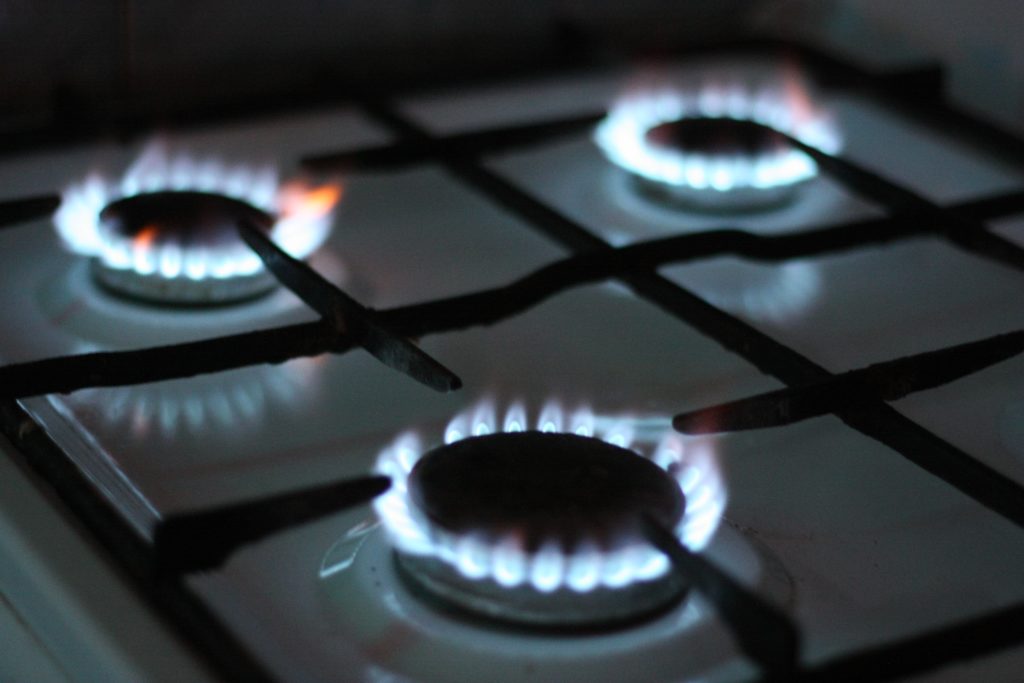
hob with gas on

Building up arrears with your energy supplier is more common than you might think, especially given rising fuel costs. Gas and electricity debts are unsecured, so they can be included in an IVA. This covers debts from your current property and any previous addresses. Your ongoing utility bill payments will be factored into your monthly budget assessment, so you should be able to keep up with future usage.

6. Water arrears

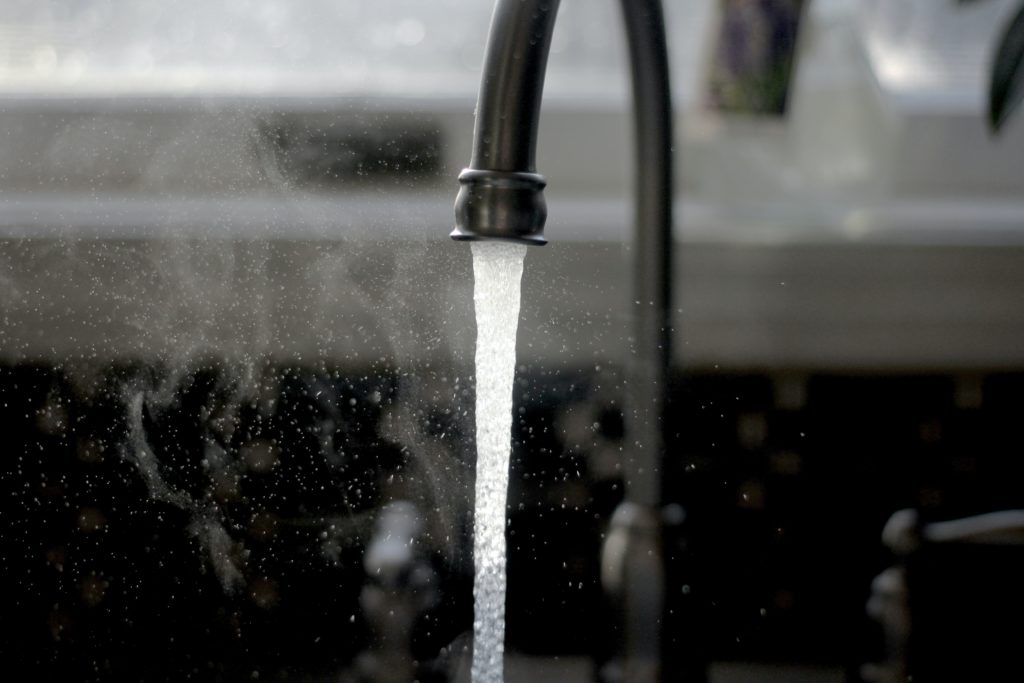
tap with running water

The rules for water arrears are the same as for gas and electricity. Any existing water debts can be included in your IVA, and your ongoing monthly water payments will be built into your budget so that future bills remain manageable.

7. Council tax arrears

Council tax arrears are classed as a priority debt because the consequences of non-payment can be severe, including bailiff action and, in extreme cases, imprisonment. These debts can be included in an IVA. If you are struggling with council tax debt, it is important to seek advice as early as possible.

8. Payday loans

Payday loans are designed for short-term borrowing, but the reality is that many people end up trapped in a cycle of high-interest repayments. If you can only afford the minimum payment each month, the debt keeps growing. Like other unsecured debts, payday loans can be included in an IVA.

9. Store cards

Store cards can seem attractive when retailers offer discounts at the point of sale, but the interest rates tend to be high. If you have balances spread across several store cards, keeping up with repayments can become difficult. Store card debts are unsecured and can be included in an IVA.

10. Income tax and National Insurance arrears

If you are self-employed (or have been in the past), you may have built up debts with HMRC for income tax or National Insurance. These can be difficult to manage alongside other creditors. Historic HMRC debts, along with the estimated liability for your current tax year, can be included in your IVA alongside other unsecured debts.

11. Tax credit overpayments

If you claim tax credits, overpayments can occur when the DWP holds incorrect information about your circumstances. These overpayments may be recovered from future payments or deducted from your wages. In most cases, tax credit overpayment debts can be included in your IVA.

12. Guarantor loans

A guarantor loan involves a friend or family member agreeing to cover repayments if you cannot. As an unsecured debt, guarantor loans can be included in an IVA. It is worth noting that the lender may pursue your guarantor for any unpaid balance, so this is something to discuss with your insolvency practitioner.

What about debts that cannot be included?

Not every type of debt qualifies for an IVA. Secured debts such as your mortgage or a hire purchase agreement cannot be included. Student loans, child maintenance arrears and certain court fines are also excluded. If you are unsure whether your debts qualify, it is worth getting professional advice. You might also want to consider a Debt Relief Order or bankruptcy as alternative options depending on your circumstances.

Need help with your debts? Get in touch today

At Swift Debt Help, we provide general guidance on IVAs and other debt solutions. We can help you understand how much debt you need for an IVA, which of your debts might qualify, and what alternative options are available to you.

Fill out the contact form below, send us an email, or give us a call to take the first step towards dealing with your debt.

This article is for general information only and does not constitute financial advice. If you need advice tailored to your situation, please speak to a qualified debt adviser or insolvency practitioner.

Ready to Find Out if You Qualify for Help?

Use our Solution Finder for a free, no-obligation assessment. Our team can help you understand your options and take the first step towards a debt-free future.

Get Help Today

4 Reasons to Consider a Remortgage to Clear Debt

Updated for 2026

If you are struggling with debt, a remortgage to clear debt could be one way to regain control of your finances. Homeowners with sufficient equity may be able to release funds and pay off outstanding balances in one go, potentially saving thousands in interest. Before committing, it is worth understanding the key benefits and how this option compares to formal debt solutions.

By remortgaging your property you can release equity, which can then be used to clear your debts. Below are some of the key reasons homeowners choose this route.

1. Remortgage to clear debt and pay less interest

Man stacking coins on top of each other on table

Unsecured debts, including credit cards, overdrafts, personal loans and utility bill arrears, can all be cleared by remortgaging your home. Interest rates on unsecured borrowing tend to be considerably higher than mortgage rates because they are not secured against an asset. So, if you remortgage your home and use the funds to settle those debts, you could save a significant amount on interest over the long term.

With mortgage rates in 2026 still competitive compared to credit card APRs (which can easily exceed 20%), consolidating unsecured debts into your mortgage could reduce your overall monthly outgoings considerably.

2. You can remortgage for a better rate

Man collecting keys for a new house from woman with a small model of a house on the table

Even if you are unable to release additional cash by way of a remortgage, it may still be worth exploring this option. Mortgage rates fluctuate regularly, and you may be able to secure a better deal than you had when you first bought your home. This could free up extra money each month, giving you more to put towards your debt repayments.

That said, you are not guaranteed a better rate. Lenders will assess your credit score, the current value of your property and how much you want to borrow. If you are already in financial difficulty, you may find it harder to secure favourable terms when remortgaging.

3. You can borrow a larger amount if necessary

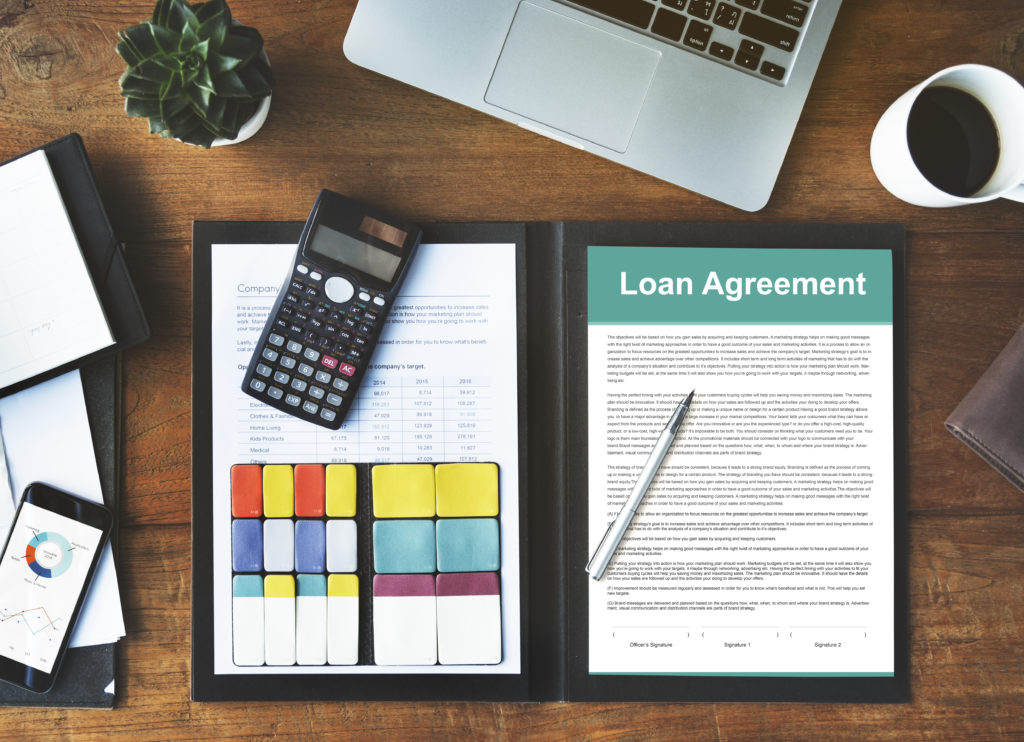
Loan agreement within a folder with calculator and pen on top

If you have large debts, you may be able to borrow a larger amount to clear them. The amount you can borrow is calculated based on the loan-to-value (LTV) ratio. For example, on a 90% LTV, the total amount you can borrow against a property worth £100,000 is £90,000. If you have paid off a portion of your mortgage already, or your home has increased in value, you may be able to access more equity than you initially expected.

4. It is an alternative to formal insolvency solutions

Formal insolvency solutions like bankruptcy (which currently costs £680 to apply for) or an IVA can help when you are unable to pay your debts. A portion of the debt may be written off and you make regular payments to clear the rest. Remortgaging is an alternative that does not carry the same negative impact on your credit score.

If your total debts are under £50,000 and you do not own property, a Debt Relief Order (DRO) might be worth considering instead. Since April 2024, the DRO application fee has been abolished entirely, making it a free option for those who qualify. The debt threshold was also raised to £50,000 in June 2024.

Is remortgaging to clear debt right for you?

If you have a lot of debts and you are unsure how to deal with them, Swift Debt Help can point you in the right direction. Get in touch today and we can discuss whether remortgaging or another debt solution might suit your situation.

This article is for general information only and does not constitute financial advice. You should seek independent advice before making decisions about your finances.

Request a Debt Assessment

Disclaimer: For guidance only. Financial information entered must be accurate and would require verification. Other factors will influence your most suitable debt solution.

Ready to Find Out if You Qualify for Help?

Use our Solution Finder for a free, no-obligation assessment. Our team can help you understand your options and take the first step towards a debt-free future.

Get Help Today

8 Tips on Saving Money For Your Summer Holiday

Updated for 2026

Saving money for your summer holiday can feel like a challenge, especially when your finances are already stretched. Whether you are heading abroad or staying in the UK, the costs quickly add up. If your budget is tight, you might think a holiday is off the table this year, but that does not have to be the case.

With a few simple changes to your spending habits and your holiday plans, you can make it a lot more affordable. Here are 8 practical tips on saving money for your summer holiday.

1. Set a budget for saving money for your summer holiday

man working out his taxes with a calculator

Having a strict budget in place is the most important thing you can do to save for your next holiday. Setting a clear budget to manage your spending will help you cut out waste, and that extra money can go straight into your holiday fund.

You also need to set a budget for your holiday itself. This gives you a saving target to aim for, so you can work out exactly how much you need to save each month to afford the trip. Be realistic when setting your budget so you can set money aside without missing any bill payments. If you are struggling with multiple debts, it may be worth looking into ways to deal with your debt first before committing to saving.

2. Consider an all-inclusive holiday

Family on the beach enjoy the waves from the sea

All-inclusive holidays can be a great option when you are on a tight budget. Your flights, accommodation, and most of your food and drink are paid for upfront, usually at a discount rate as they are a package deal. If you tend to overspend while on holiday, all-inclusive deals make it much easier to stick to a budget because you do not need to buy much while you are there. Many all-inclusive packages also offer free places for young children.

3. Think about when you book

Two women booking a holiday on laptop together

Booking your holiday too late can cost you more. Although last-minute deals can save money if you are flexible enough, you may get a better deal if you book early. Booking early gives you more choice about which dates you travel on, so you can book the cheapest ones before they fill up. You also have more time to save when you start as early as possible.

4. Clear your cookies on online booking sites

Cookies are small pieces of text that are sent by websites you visit and stored on your device. They contain information about what pages you looked at and other details about your activities on the website. When you revisit the same site, it uses that data to personalise your experience.

When you view flights or hotels online, a record of that search is saved in your cookies. Next time you visit the site, it remembers that you have already looked at this page before. Some people believe this can influence the prices shown to you on subsequent visits. Whilst it is not 100% clear whether this is the case, clearing your cookies before revisiting online booking sites may help you see lower prices. Using private or incognito browsing mode is another simple way to avoid this.

5. Be flexible with your travel dates

Calendar on smartphone

Being flexible with dates and times can be very helpful if you want to save money on your holiday. Certain dates will be more expensive than others (school holidays, for example), and flight costs also vary depending on the time of day you fly. If you are travelling with your family, you are limited to the school holidays, but you can still save money if you travel in the final weeks of the holidays. You could also consider a holiday during the half term rather than the summer holidays.

Flying late at night or very early in the morning is usually cheaper too. Although this does make travel arrangements more difficult, it may be worth it if you can save a lot of money.

6. Save £3 a day

Saving money can feel daunting, but it is more manageable when you break it down into small goals. The idea of saving £1,095 in a year sounds like a lot, but £3 a day is not that difficult. Think about some of the small purchases you make every day that you can cut out, and you will soon be able to put money into your holiday fund. Cutting back on takeaway coffees, meal deals, or unused subscriptions can all add up quickly.

If rising energy costs are eating into your spare cash, have a look at our energy saving tips to free up some extra money each month.

7. Weigh your luggage beforehand

Suitcase luggage stacked on top of each other

Airlines charge different fees depending on who you fly with and you can sometimes get caught out at the airport if your luggage is too heavy. You can avoid this if you weigh your luggage before you leave to make sure you have not exceeded the weight limit. A set of suitcase scales for home use is a small investment that can save you from unexpected charges at check-in.

8. Ensure you get travel insurance

Travel insurance is a must, but many people skip it because they are trying to cut costs. However, if something goes wrong while you are away you could be stuck with large medical bills or other unexpected fees. You also have no protection if your holiday is cancelled, which could mean losing all of the money you saved.

A travel insurance policy can be inexpensive and it can save you a lot of money in difficult situations. Before you take out a policy, check whether you already have one included with other financial products. Many bank accounts, for example, offer some level of travel cover. However, double-check what is included because it may not be extensive enough. If you do need a separate policy, use a comparison site to find the most affordable deals. Looking after your credit score can also help you access better financial products in general.

These simple tips can help you save money and cut the costs of travel, so you can more easily afford an enjoyable holiday. However, if you find yourself in a position where you are unable to save because of mounting debts, there are options available.

At Swift Debt Help, we provide general information about a range of debt relief options. Get in touch today and we can discuss different solutions that may help you regain control of your finances. Please note that the information on this site is for general guidance only and does not constitute financial advice.

Request a Debt Assessment

Disclaimer: For guidance only. Financial information entered must be accurate and would require verification. Other factors will influence your most suitable debt solution.

Ready to Find Out if You Qualify for Help?

Use our Solution Finder for a free, no-obligation assessment. Our team can help you understand your options and take the first step towards a debt-free future.

Get Help Today

5 Things To Know Before Declaring Bankruptcy

Updated for 2026

Declaring bankruptcy could be an option if you have mounting debts that you are unable to pay. However, bankruptcy is not something you should rush into because it has long-term effects on your life and your finances. Here are five things you should know before declaring bankruptcy in 2026.

1. Declaring bankruptcy can have an impact on your assets

Hand drawing of man in shirt and tie losing his assets to bankruptcy

When you declare bankruptcy, you are generally required to make a reasonable effort to pay back your debts, and this often includes using your assets. Things that are considered essentials, like clothes, furniture, and cooking appliances are typically protected. However, other belongings may be passed on to the Official Receiver, the person that deals with your bankruptcy. These could then be sold to raise money to pay your debts.

Items that you may be allowed to keep include:

  • Clothes
  • Furniture
  • Household appliances
  • Tools required for your job
  • A car that you need for work or other basic needs (if you are disabled, for example)

There are some exemptions, and if certain assets on this list are valued very highly, they can still be sold. For example, you may be required to sell your car and given around £1,250 to buy a cheaper replacement, with the rest going towards your debts.

Jointly owned assets can also be affected. If they are sold, the money would typically be split between the Official Receiver and the person that has a shared interest in the asset.

Depending on your situation, you may have to move home when you declare bankruptcy. If you rent your home, you generally will not be affected and your landlord will not be informed. But if you own your home, you may be required to sell it to raise money to pay your debts. In some cases, you can prevent this.

The Official Receiver has three years to decide what to do with your home. If they have not taken steps to sell it in that time, your interest in it is restored and you can keep your home.

It is worth considering how your assets could be impacted before you declare bankruptcy.

2. If you own a business, bankruptcy will have an impact

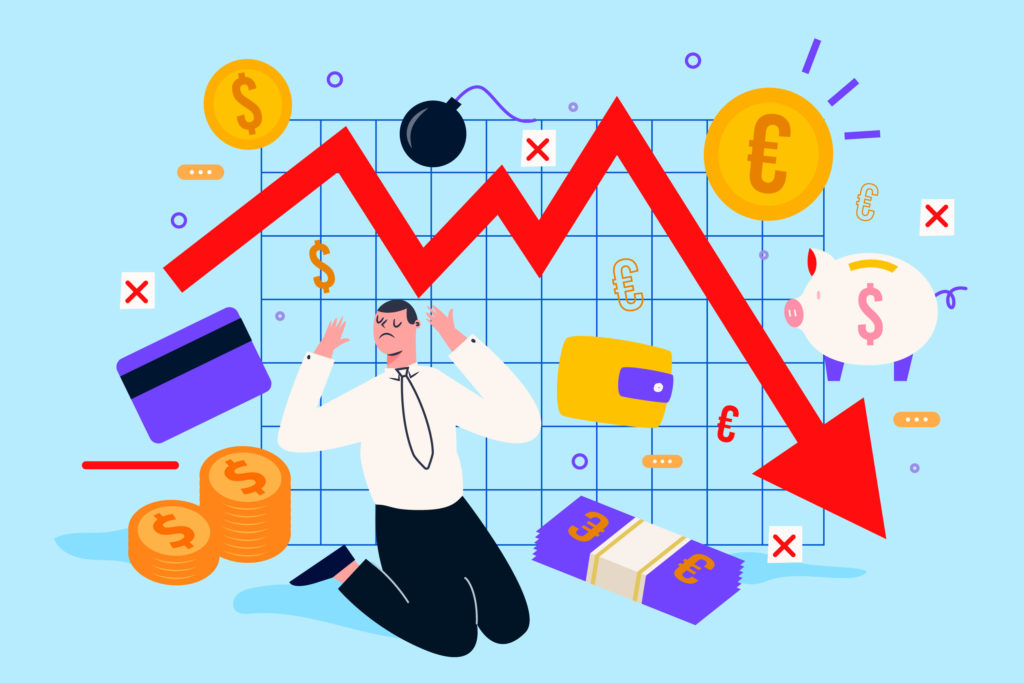
Drawing of chart a declining chart with an arrow pointing downwards

When you declare bankruptcy, there are specific rules related to the running of a business. For the 12-month period of your bankruptcy, you are generally forbidden from acting as the director of a limited company or managing it in any way without the permission of the court. The company itself can continue to operate but you would need to appoint somebody else to manage it for you.

If you are self-employed and registered as a sole trader, the rules are different. You may be able to continue operating as normal, but if you run a business under a name that’s different to the one in which you were made bankrupt, you must tell everyone you do business with the name under which you were made bankrupt.

Bankruptcy will also be recorded on your credit reports for six years. This can seriously impact your ability to get credit in the future, which can be a big problem for businesses.

Business owners might want to explore other options like an Individual Voluntary Arrangement (IVA) or a Debt Management Plan to avoid the restrictions on their ability to run their company.

3. Your bank accounts could be frozen

Young woman feeling displeased about debt on her credit card while checking bank account over laptop at home.

The Official Receiver takes control of all of your assets, including your bank account, when you declare bankruptcy. This often means that your bank accounts are frozen and you cannot withdraw any money. If you have money in your account that is required to meet your essential living costs, the Official Receiver may arrange with the bank to release those funds to you. The bank will then decide if you can continue using your account.

4. Bankruptcy doesn’t cover all of your debts

Pound coins stacked on top of each other on a table

Writing off debt is one of the major benefits of bankruptcy but not all debts are covered. It is important to understand exactly which debts are not included because you will still be liable for them, even if you file for bankruptcy. Debts generally not covered include:

  • Secured debts
  • Child maintenance debts
  • Student loans
  • Court fines
  • Council tax debts (in some cases)

5. Take the right steps before declaring bankruptcy

Person wearing running shoes taking steps up the stairs

There are some key steps to consider when looking into bankruptcy to minimise the impact.

Consider whether bankruptcy is the right debt solution for you

Bankruptcy is not always the most suitable debt solution. It may be worth looking into options such as Debt Management Plans (DMP), Debt Relief Orders (DRO) or Individual Voluntary Arrangements (IVA) before declaring bankruptcy. As of 2026, DROs are available for debts up to £50,000, and the DRO application fee has been abolished, making them free to apply for. You may be able to limit the impact on your credit reports and avoid financial restrictions by finding a different debt solution.

Apply for bankruptcy

The next step is to fill out the necessary paperwork and pay the fee of £680. This can be paid in instalments, if necessary, with a minimum payment of £5. However, a bankruptcy order will not be granted until the fee is paid in full. You can find the application forms on the gov.uk website.

Set a budget for your living costs

As part of your bankruptcy application you will need to put together a budget based on your essential expenses. When you declare bankruptcy, you will generally not be permitted to spend beyond this, as all additional money will go towards your debts.

Cooperate with the Official Receiver

The Official Receiver is the person that manages your bankruptcy. They will typically contact you within two weeks of your application to discuss your bankruptcy. They also take control of your assets. You need to work with them while they distribute your money and assets to pay off a portion of your debts.

Pay back your debts and discharge from bankruptcy

Once everything is in place, you may need to continue paying towards your debts for up to 3 years. This depends on your circumstances and your disposable income after meeting your essential outgoings. As long as you cooperate with the Official Receiver and meet all of your obligations, you would typically be discharged from bankruptcy after 12 months.

Declaring bankruptcy could be one solution to your debt problems, but it is not always the only option. For general information about debt solutions, fill out the contact form below to get in touch with Swift Debt Help. This information is for general guidance only and should not be considered financial advice. Your individual circumstances may vary, so speaking with a qualified debt adviser is always recommended.

Request a Debt Assessment

May not be suitable in all circumstances, Fees may apply, your credit rating may be affected.

Disclaimer: This content is for general informational purposes only and does not constitute financial advice. Financial information entered must be accurate and would require verification. Other factors will influence your most suitable debt solution.

Ready to Find Out if You Qualify for Help?

Use our Solution Finder for a free, no-obligation assessment. Our team can help you understand your options and take the first step towards a debt-free future.

Get Help Today