Tag: IVA

5 Scenarios Where an IVA Could Be the Best Solution

Updated for 2026

If you are struggling with debt and wondering whether an IVA (Individual Voluntary Arrangement) is right for you, it helps to understand the situations where this solution works best. An IVA allows you to make affordable monthly payments towards your debts over a fixed period, typically five or six years. Any remaining unsecured debt included in the arrangement is written off once you complete it.

This guide covers five common scenarios where an IVA could be the most suitable debt solution for your circumstances.

1. You owe debts to multiple creditors

An IVA is particularly well suited if you owe money to several different lenders. When you only have a single creditor, it is usually simpler to contact them directly and negotiate a repayment plan. A single debt is far easier to manage, and you can often reach an informal agreement without entering a formal insolvency solution.

However, juggling repayments to multiple creditors is where things get complicated. Keeping track of different payment dates, amounts and interest rates is stressful, and this is often how people lose control of their finances. With an IVA, you make one single monthly payment to your Insolvency Practitioner, who then distributes the funds to your creditors on your behalf. This simplifies everything and can result in a portion of your qualifying unsecured debts being written off at the end.

2. You can afford regular monthly repayments

Before entering an IVA, a licensed Insolvency Practitioner will carry out a thorough assessment of your finances. They will review your income and essential living costs to work out what you can realistically afford to pay each month.

If you have a steady source of income and are confident you can maintain the agreed repayments for the duration of the arrangement, an IVA is a strong option. Both you and the Insolvency Practitioner need to be satisfied that the plan is sustainable over the full term. If your income is irregular or unpredictable, you may want to explore whether a self-employed IVA structure could work for you.

3. You owe more than £6,000 in unsecured debt

An IVA is designed for people who cannot realistically repay their unsecured debts within a reasonable timeframe. If you owe a relatively small amount, improved budgeting or an informal arrangement with your creditors might be enough to get things under control.

For debts above £6,000, the picture changes. Fees are built into the IVA and come out of your affordable monthly payment, so creditors are unlikely to agree to an arrangement where you could potentially repay them in full over a similar period without those fees. If you are unsure whether you meet the threshold, our guide on how much debt you need for an IVA explains the eligibility criteria in more detail.

For those with lower levels of debt, a Debt Relief Order (DRO) may be more appropriate. Since April 2024, the DRO debt threshold has increased to £50,000 and the application fee has been removed entirely, making it accessible to more people than ever before.

4. Your employment allows it

In most cases, an IVA will not affect your job. You can continue working as normal throughout the arrangement. However, certain professions have restrictions around formal insolvency solutions.

Jobs that typically do not allow you to hold an IVA include roles in:

  • Accountancy
  • Financial services
  • Law
  • The police or military

Some employers in other industries may also have policies around insolvency. It is always worth checking your employment contract or speaking confidentially with your employer before proceeding. There are also common myths about IVAs that can cause unnecessary worry, so it is worth separating fact from fiction.

5. You want protection from creditor contact

One of the biggest sources of stress when you are in debt is the constant phone calls, letters and emails from creditors chasing payment. This pressure can take a serious toll on your mental health and often stops people from dealing with their debts at all.

An IVA provides legal protection from your creditors. Once the arrangement is in place, they are no longer permitted to contact you for payment. Your Insolvency Practitioner handles all communication and negotiation on your behalf. They draft the proposal, present it to your creditors, handle any disputes and distribute your monthly payments.

If dealing with creditors is causing you significant stress, an IVA removes that burden completely and gives you the breathing space to focus on getting back on track financially.

What other options are available?

An IVA is not the only debt solution out there. Depending on your situation, you might also consider bankruptcy (which currently costs £680 to apply for), a debt consolidation loan, or a Debt Relief Order. Each option has different eligibility requirements, so it is important to understand the pros and cons before making a decision.

If you need guidance on whether an IVA is right for you, get in touch with Swift Debt Help today and speak to a member of our team. We can help you understand your options and find the right path forward.

This article is for general information purposes only and does not constitute financial advice. If you are unsure about the best debt solution for your circumstances, please seek independent advice from a qualified professional.

Request a Debt Assessment

May not be suitable in all circumstances, Fees may apply, your credit rating may be affected.

Disclaimer: For guidance only. Financial information entered must be accurate and would require verification. Other factors will influence your most suitable debt solution.

Ready to Find Out if You Qualify for Help?

Use our Solution Finder for a free, no-obligation assessment. Our team can help you understand your options and take the first step towards a debt-free future.


Get Help Today

12 Debts That Can Be Included in an IVA

Updated for 2026

An IVA (Individual Voluntary Arrangement) is one of the most popular debt solutions in the UK, and it could allow you to write off a significant portion of the debts included in an IVA. There is no upper limit on the total amount of debt you can include, but only certain types qualify. Below are 12 common debts that can be included in an IVA.

1. Catalogue debts included in an IVA

ordering gifts from catalogue

Catalogues are a convenient way of spreading the cost of purchases, but they often carry high interest rates. If repayments have become unmanageable, your catalogue debts can be included in an IVA. You would need to stop using catalogues for future purchases so you can stick to your monthly budget going forward.

2. Credit card debt

Credit card debt is one of the most common types of unsecured debt in the UK. Many people manage balances by transferring them between cards or making minimum payments, but eventually this can spiral. If your credit card repayments have become unaffordable, particularly alongside other debts, they can be written off through an IVA.

3. Personal loans

Unsecured personal loan repayments are a fixed monthly cost with little flexibility. If you took out a loan to consolidate other debts, the repayment can be substantial. Unsecured personal loans are included in an IVA, which could reduce your monthly outgoings considerably.

4. Overdrafts

Overdrafts are often used as a short-term way to cover bills or other payments, but getting out of one can feel impossible when you are already stretched. You also risk penalty charges if you accidentally exceed your limit. Overdrafts can be included in an IVA. It is generally advisable to switch your bank account to a provider you do not owe money to before starting your arrangement, as accounts with outstanding debts may be frozen.

5. Gas and electricity debt

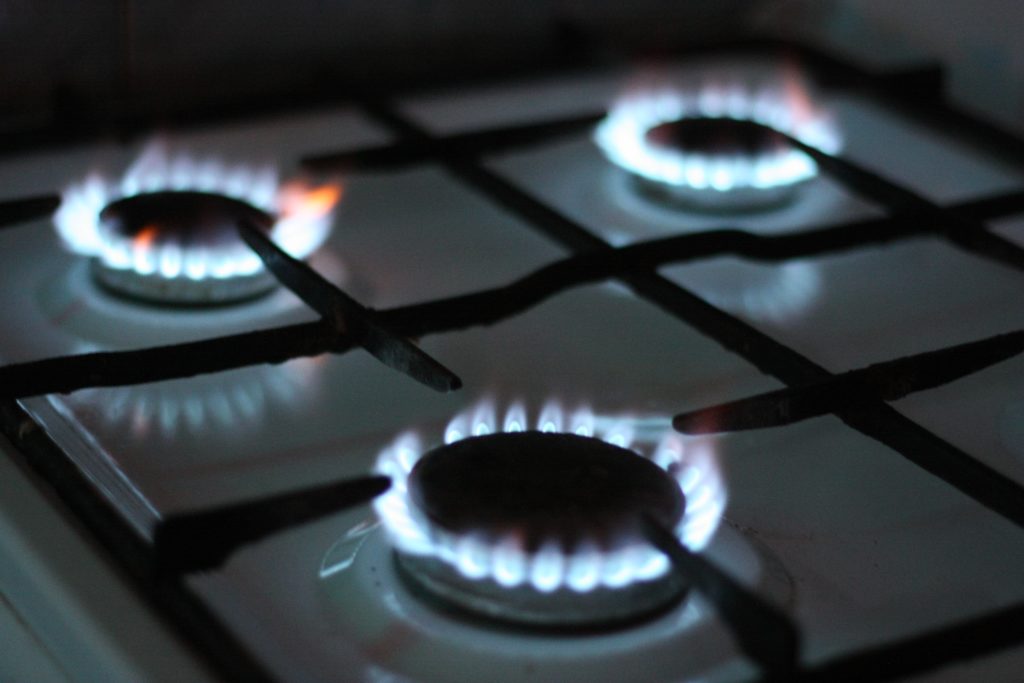
hob with gas on

Building up arrears with your energy supplier is more common than you might think, especially given rising fuel costs. Gas and electricity debts are unsecured, so they can be included in an IVA. This covers debts from your current property and any previous addresses. Your ongoing utility bill payments will be factored into your monthly budget assessment, so you should be able to keep up with future usage.

6. Water arrears

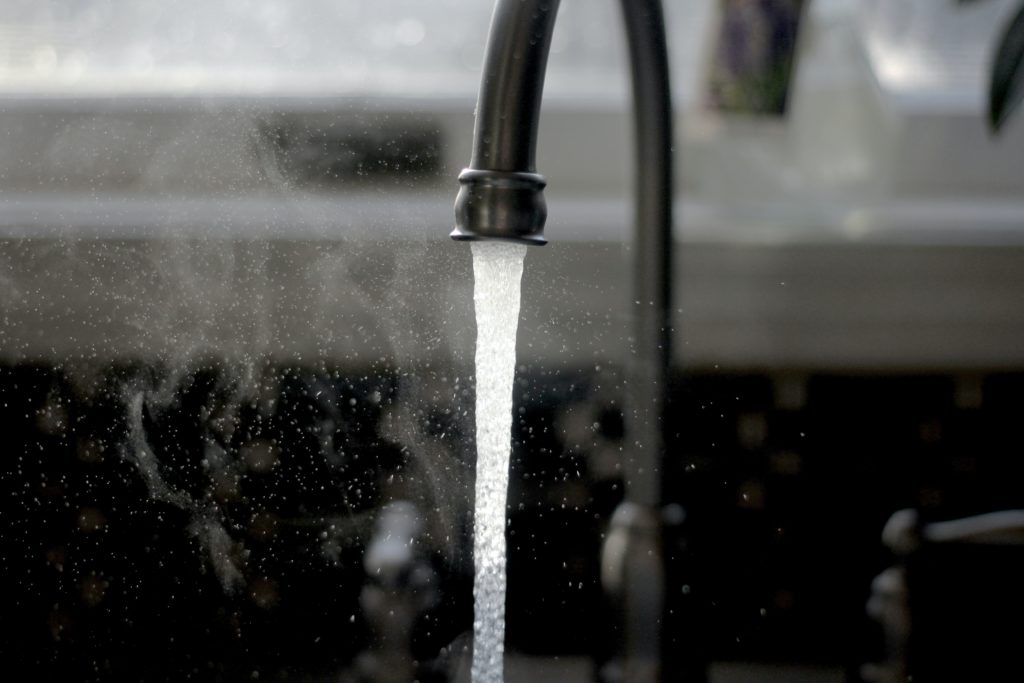
tap with running water

The rules for water arrears are the same as for gas and electricity. Any existing water debts can be included in your IVA, and your ongoing monthly water payments will be built into your budget so that future bills remain manageable.

7. Council tax arrears

Council tax arrears are classed as a priority debt because the consequences of non-payment can be severe, including bailiff action and, in extreme cases, imprisonment. These debts can be included in an IVA. If you are struggling with council tax debt, it is important to seek advice as early as possible.

8. Payday loans

Payday loans are designed for short-term borrowing, but the reality is that many people end up trapped in a cycle of high-interest repayments. If you can only afford the minimum payment each month, the debt keeps growing. Like other unsecured debts, payday loans can be included in an IVA.

9. Store cards

Store cards can seem attractive when retailers offer discounts at the point of sale, but the interest rates tend to be high. If you have balances spread across several store cards, keeping up with repayments can become difficult. Store card debts are unsecured and can be included in an IVA.

10. Income tax and National Insurance arrears

If you are self-employed (or have been in the past), you may have built up debts with HMRC for income tax or National Insurance. These can be difficult to manage alongside other creditors. Historic HMRC debts, along with the estimated liability for your current tax year, can be included in your IVA alongside other unsecured debts.

11. Tax credit overpayments

If you claim tax credits, overpayments can occur when the DWP holds incorrect information about your circumstances. These overpayments may be recovered from future payments or deducted from your wages. In most cases, tax credit overpayment debts can be included in your IVA.

12. Guarantor loans

A guarantor loan involves a friend or family member agreeing to cover repayments if you cannot. As an unsecured debt, guarantor loans can be included in an IVA. It is worth noting that the lender may pursue your guarantor for any unpaid balance, so this is something to discuss with your insolvency practitioner.

What about debts that cannot be included?

Not every type of debt qualifies for an IVA. Secured debts such as your mortgage or a hire purchase agreement cannot be included. Student loans, child maintenance arrears and certain court fines are also excluded. If you are unsure whether your debts qualify, it is worth getting professional advice. You might also want to consider a Debt Relief Order or bankruptcy as alternative options depending on your circumstances.

Need help with your debts? Get in touch today

At Swift Debt Help, we provide general guidance on IVAs and other debt solutions. We can help you understand how much debt you need for an IVA, which of your debts might qualify, and what alternative options are available to you.

Fill out the contact form below, send us an email, or give us a call to take the first step towards dealing with your debt.

This article is for general information only and does not constitute financial advice. If you need advice tailored to your situation, please speak to a qualified debt adviser or insolvency practitioner.

Ready to Find Out if You Qualify for Help?

Use our Solution Finder for a free, no-obligation assessment. Our team can help you understand your options and take the first step towards a debt-free future.
Get Help Today

9 IVA Myths That You Should Know About

Updated for 2026

There are plenty of IVA myths circulating online that can make it difficult to know what is true and what is not. An Individual Voluntary Arrangement (IVA) can be the right solution for some people dealing with problem debt, but it depends entirely on your circumstances. Understanding the facts is essential before making any decision. Below, we tackle nine of the most common misconceptions.

1. You will not be able to open a bank account

bank account with credit card

Although you may need to make changes to your banking arrangements, that does not mean you cannot open an account at all. If you owe money to your bank through loans or overdrafts, they have the right to take money directly from your current account to pay towards the debt. This is called the right to offset. If this applies to you, you will need to open a new bank account so your budget is not disrupted.

When you open a new account, you may not be able to have an overdraft facility as that is a form of credit. This should be discussed with your Insolvency Practitioner (IP).

2. You will be forced to remortgage your property

If you are a homeowner, depending on your circumstances and the level of equity in your home, towards the end of the IVA you may be expected to attempt to release a portion of equity by way of a remortgage for the benefit of your creditors.

Any obligations relating to your property will be explained and agreed with you before you enter into the arrangement. In many cases, properties can be excluded from the terms where your equity is either of a low value or unlikely to be released by a remortgage.

Where you have significant equity but a remortgage cannot be achieved, creditors may agree to extend the IVA term in lieu of this equity.

3. All creditors need to agree to the IVA proposal

When you submit your application, your IP will help you draft a proposal for your creditors, offering to pay a certain percentage of the debt and asking that the remainder be written off. Your creditors then decide whether they agree. However, it is a myth that every single creditor must approve the proposal for the IVA to proceed.

Your creditors are not obliged to vote on your IVA proposal. Of those that do vote, only 75% by value must agree for the IVA to be approved and become legally binding on all of them.

4. You have to tell your employer about an IVA

You only need to tell your employer about your IVA if it is specified in your employment contract. Certain roles, especially those involving money handling or financial management, may require you to disclose an IVA. This includes positions such as accountants, bank staff and legal professionals. Otherwise, you are not required to inform your employer.

Details of your IVA will appear on the public Individual Insolvency Register, but your employer would only see this if they actively searched for your name.

5. You cannot obtain any credit during your IVA

It is a standard condition of an IVA that you cannot obtain credit above £500 without the permission of your IP (the Supervisor of your IVA).

During your IVA you are expected to live within a reasonable budget to ensure you can meet your agreed contribution. You should think carefully before obtaining credit of any value, as any subsequent repayments must be affordable and within your budget. Credit obtained after the approval of your IVA will not be covered by the arrangement, and you will be responsible for repaying it separately.

If you feel you need to apply for credit above £500, it is important to seek the consent of your IVA Supervisor beforehand.

6. An IVA will stay on your credit report forever

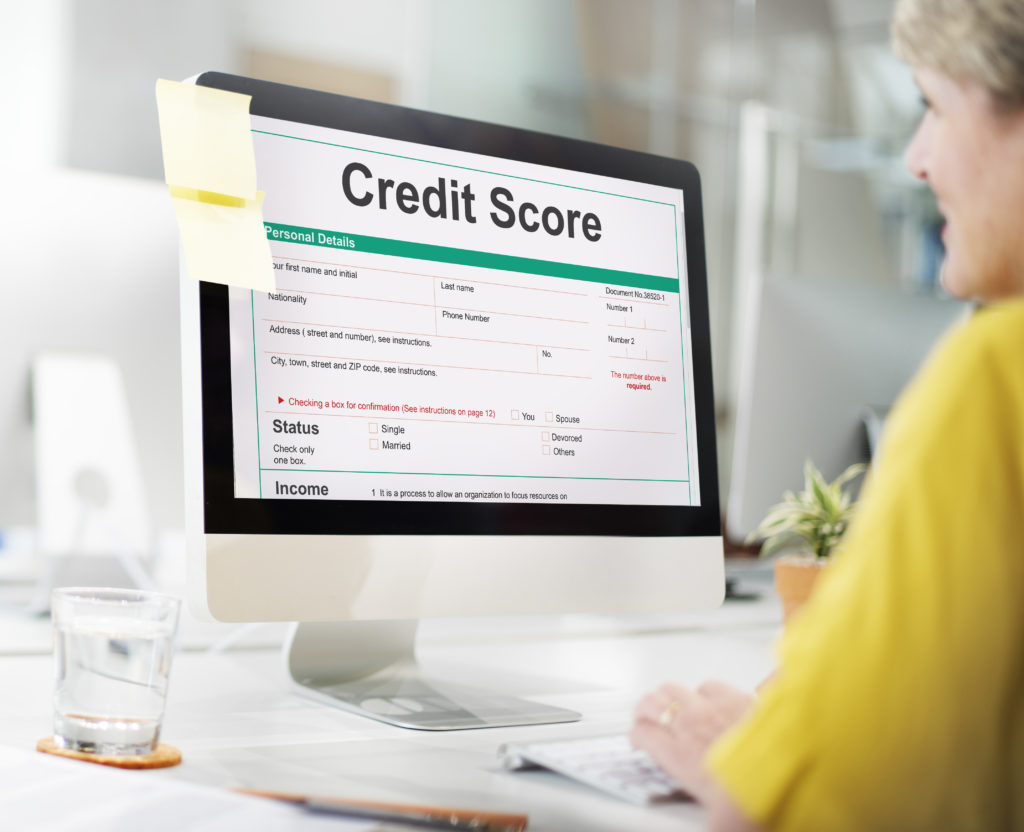
woman looking at credit score on computer

One reason people hesitate to enter an IVA is the belief that it will remain on their credit report permanently, preventing them from ever borrowing again. While it is true that an IVA is recorded on your credit file, it only stays there for six years from the date of approval. After that period, it is removed entirely.

7. Your IVA will fail if you miss a payment

It is important to make regular payments into your IVA as agreed. However, it is a myth that your IVA will automatically fail if you miss a single payment. If you are struggling, you can speak with your IP who may be able to approve a payment break, giving you some breathing space to get back on track.

Typically, if you fall into arrears equivalent to three months of payments (not including agreed payment breaks), this will be classed as a breach of the arrangement terms and your IVA could be at risk of failure. Always contact your IVA provider if you are having difficulty making payments.

8. Interest charges and fees are not frozen

Interest charges and fees can make it far harder to escape debt. One of the key benefits of a formal arrangement such as an IVA is that interest and fees on your included debts are frozen from the date the arrangement is approved. Your creditors reserve the right to re-apply any owed interest and charges if for any reason your IVA fails, but once the IVA completes successfully, all outstanding balances on included debts are written off.

9. You cannot save money while in an IVA

When you enter an IVA, you work with your provider to produce a budget based on your income and expenditure. Your creditors expect you to offer all of your monthly disposable income towards the arrangement, so putting money into savings may be difficult at the outset.

If your situation improves during the IVA, one of the key principles is that both you and your creditors share the benefit. You would get to keep half of any increase in disposable income, and you are free to use those funds as you see fit.

Other debt solutions to consider

An IVA is not the only option. Depending on your circumstances, you might also look into a Debt Relief Order (DRO), which is now completely free to apply for (the fee was abolished in April 2024) and covers debts up to £50,000 since June 2024. Bankruptcy is another route if your debts are more substantial, though the application fee is currently £680. For lower levels of debt, a Debt Management Plan (DMP) could also be suitable.

Need help separating IVA fact from fiction?

If you want more information about how an IVA works, or you need guidance on whether it is the right option for your situation, Swift Debt Help can point you in the right direction. Fill out the form below, email us or give us a call.

This article is for general information only and does not constitute financial advice. You should seek independent advice before making decisions about your finances.

Request a Debt Assessment

May not be suitable in all circumstances, Fees may apply, your credit rating may be affected.

Disclaimer: For guidance only. Financial information entered must be accurate and would require verification. Other factors will influence your most suitable debt solution.

Ready to Find Out if You Qualify for Help?

Use our Solution Finder for a free, no-obligation assessment. Our team can help you understand your options and take the first step towards a debt-free future.
Get Help Today

Fuel Poverty UK: What It Means and How to Deal With It in 2026

Fuel poverty remains one of the biggest financial challenges facing UK households in 2026. With the Ofgem energy price cap set at £1,758 per year for a typical household during Q1 2026 (dropping to £1,641 from April), millions of people are still spending a significant chunk of their income on keeping their homes warm. If your energy costs are leaving you short on essentials, you could be experiencing fuel poverty. This guide explains what fuel poverty means, why energy prices remain high, and practical steps you can take to reduce your bills.

This article was originally published in a previous year and has been fully updated for 2026 to reflect current legislation, figures, and guidance.

What is fuel poverty?

Electricity towers in the UK representing rising energy costs and fuel poverty

In England, fuel poverty is measured using the Low Income Low Energy Efficiency (LILEE) indicator. Under this measure, a household is considered fuel poor if they live in a property with an energy efficiency rating of band D or below and, after spending what they need on energy, their remaining income falls below the official poverty line.

Put simply, if heating your home properly means you cannot afford other basic necessities, you are likely in fuel poverty. According to government statistics published in 2025, millions of English households meet this definition, with those in older, poorly insulated homes and on lower incomes being hit hardest.

Why are energy prices still high in 2026?

Gas cooker hob representing household energy costs

Although wholesale gas prices have come down from the extreme peaks of 2022, energy bills in 2026 are still well above pre-2021 levels. Several factors keep prices elevated:

  • Ongoing global demand for natural gas, particularly from Asia and Europe
  • Continued geopolitical uncertainty affecting supply chains
  • The cost of transitioning to renewable energy sources, which is partially passed on to consumers
  • Network and infrastructure costs that make up a growing portion of your bill
  • Standing charges, which remain high regardless of how much energy you actually use

For Q1 2026, the Ofgem price cap sits at £1,758 per year for a typical dual-fuel household paying by direct debit. From April 2026, this falls to £1,641. While these figures are lower than the crisis peaks of 2022-2023, they remain a serious burden for households on lower incomes. If you are already struggling with utility bills debt, rising costs can quickly spiral.

How to reduce your energy bills and avoid fuel poverty

There are practical steps you can take to bring your energy costs down. Some require an upfront investment, while others are free changes you can make straight away. For more detailed guidance, read our full guide on energy saving tips to help you avoid debt.

Compare and switch your energy tariff

If you are on a standard variable tariff, you are likely paying more than you need to. Energy comparison sites let you check whether a fixed deal could save you money. Switching takes minutes and your new supplier handles the process for you. Even small savings per month add up over a year.

Use a smart meter to track your usage

Smart meters are available free from your energy supplier and give you real-time data on how much gas and electricity you are using. This makes it easier to spot where energy is being wasted and adjust your habits accordingly. Your supplier also gets automatic readings, so you avoid estimated bills.

Switch to LED lighting

Replacing old halogen bulbs with LED alternatives is one of the simplest ways to cut electricity costs. LED bulbs use up to 80% less energy and last significantly longer, saving you money on replacements too.

Choose energy-efficient appliances

Large appliances like fridges, washing machines and tumble dryers are among the biggest energy consumers in your home. When replacing them, look for models rated A or B on the energy label. The upfront cost is often higher, but the running costs are considerably lower over the appliance’s lifetime.

Turn your thermostat down by one degree

Reducing your thermostat by just one degree can cut your heating bill by around 10%, according to the Energy Saving Trust. Most people do not notice the difference in comfort, but you will notice the difference on your bill.

Wash clothes at a lower temperature

Modern detergents work effectively at 30 degrees. Washing at this temperature instead of 40 degrees reduces energy consumption for each cycle by roughly 40%, which adds up over hundreds of washes per year.

Improve your home insulation

Poor insulation is one of the main drivers of fuel poverty. Heat escapes through the roof, walls and windows, forcing you to spend more on heating. Double-glazed windows, loft insulation and cavity wall insulation can all make a significant difference to how well your home retains heat.

The government’s Great British Insulation Scheme has been helping eligible households get free or subsidised insulation, though this scheme is due to close at the end of March 2026. Check with your energy supplier to find out whether you can still apply. Other support may be available through the Energy Company Obligation (ECO) scheme, which funds energy efficiency improvements for low-income and vulnerable households.

Government help with fuel poverty and energy bills

Several government schemes exist to help people who are struggling with energy costs. It is worth checking whether you qualify for any of the following:

Warm Home Discount Scheme

The Warm Home Discount gives eligible households a one-off £150 discount on their electricity bill each winter. You may qualify if you receive the Guarantee Credit element of Pension Credit, or if you are on a low income and meet your energy supplier’s criteria. In England and Wales, most eligible people receive the discount automatically.

Winter Fuel Payment

If you were born before 22 September 1959, you could receive between £100 and £300 towards your heating bills for winter 2025/2026. Important changes were introduced recently: if your income exceeds £35,000, HMRC will recover the payment. Check the GOV.UK website for the latest eligibility rules, as these have changed significantly from previous years. Note that if you live in Scotland, a separate Pension Age Winter Heating Payment applies instead.

Cold Weather Payments

If you receive certain benefits (such as Universal Credit, Income Support or Pension Credit) and the temperature in your area drops to zero degrees or below for seven consecutive days, you may be eligible for a Cold Weather Payment of £25 for each qualifying week.

Household Support Fund

Your local council may offer help through the Household Support Fund, which can cover energy costs and other essentials. Eligibility varies by area, so contact your council directly to find out what support is available.

Are you in debt because of fuel poverty?

If high energy costs have pushed you into debt, you are not alone. Fuel poverty often leads to missed payments on utility bills and other household expenses, which can quickly become unmanageable. If you are struggling with rising utility bills and mounting debts, it is important to seek help early before the situation gets worse.

Swift Debt Help can provide you with information about debt management solutions that may be suitable for your circumstances, including an Individual Voluntary Arrangement (IVA) or bankruptcy. Get in touch with us today for a free, no-obligation debt assessment.

This article is for general information purposes only and does not constitute financial advice. Everyone’s financial situation is different, and you should seek professional advice tailored to your individual circumstances before making any decisions about managing your debts. Swift Debt Help is not a financial adviser.

Ready to Find Out if You Qualify for Help?

Use our Solution Finder for a free, no-obligation assessment. Our team can help you understand your options and take the first step towards a debt-free future.

Get Help Today

Can You Get a Mortgage with an IVA?

If you’re wondering whether you can get a mortgage with an IVA, the short answer is yes, but it comes with significant challenges. An Individual Voluntary Arrangement typically means you already have substantial debts and a damaged credit history, both of which lenders take seriously. Borrowing restrictions during the arrangement add further hurdles. That said, getting a mortgage with an IVA is not impossible if you understand the process and plan carefully.

This article was originally published in a previous year and has been fully updated for 2026 to reflect current legislation, figures, and guidance.

This guide covers what you need to know about applying for a mortgage while in an IVA, the obstacles you could face, and how to improve your chances of success.

This article is for general information only and does not constitute financial advice. If you need tailored guidance, speak to a qualified financial adviser or your Insolvency Practitioner.

Can You Get a Mortgage with an IVA?

Person holding keys for house after getting a mortgage with an IVA

During an IVA, your debts are consolidated into a single monthly payment that you must maintain for the full duration of the arrangement, typically five to six years. Strict financial restrictions apply throughout, particularly around taking on new credit.

Under the terms of most IVAs, if you want to borrow more than £500, you need written permission from your Insolvency Practitioner (IP). This means that even though getting a mortgage with an IVA is technically possible, you cannot proceed without your IP’s approval first.

It is important to discuss your plans with your Insolvency Practitioner early on. They can help you understand whether a mortgage application is realistic given your financial position and IVA terms.

Will You Need a Specialist Mortgage Lender?

In most cases, yes. High street lenders rarely accept applications from people currently in an IVA. You will likely need to work with specialist or “adverse credit” mortgage lenders who have products designed for borrowers with poor credit histories.

These specialist lenders offer more flexible criteria, but the trade-off is clear: higher interest rates, larger fees, and a bigger deposit requirement. As of 2026, some specialist lenders may ask for deposits of 15% to 25% or more, compared to the 5% to 10% that mainstream lenders might accept from borrowers with clean credit.

A mortgage broker who specialises in adverse credit can be particularly helpful here, as they will know which lenders are most likely to consider your application.

How Does an IVA Affect a Mortgage Application?

Mortgage application form

An IVA can have a significant impact on every stage of the mortgage application process. Your primary obligation remains paying into the arrangement and clearing your debts, and the restrictions exist to protect that commitment. If you do obtain a mortgage while in an IVA, you may also need to attempt to release equity from the property towards the end of the IVA.

Several factors will shape what happens when you apply:

Disposable income

Lenders assess whether you can afford monthly repayments by looking at your disposable income. The difficulty is that most of your spare money must go towards your IVA contributions. If you are currently renting, the amount you pay in rent each month is often the best indicator of what mortgage repayment you could realistically manage.

Credit report impact

An IVA appears on your credit file and stays there for six years from the date it was registered. This has a severe negative effect on your credit score. Lenders run credit checks as part of every mortgage application, and an active IVA will count heavily against you. Many lenders will decline your application outright.

Higher costs and limited options

Even if a lender does approve your application, the mortgage is likely to carry high interest rates because of the perceived risk. When combined with your ongoing IVA payments, the total monthly outgoings can become difficult to sustain. In practice, many people in an IVA find that even when they qualify for a mortgage, the terms make it unaffordable.

Equity release obligations

If you already own a home when you enter an IVA, your arrangement may require you to attempt to remortgage and release equity in the final year. This equity is paid to your creditors as part of the IVA terms. Understanding how homeownership interacts with your IVA is essential before taking on any new mortgage commitments.

How to Get a Mortgage with an IVA: Step by Step

Row of little red houses representing mortgage options

If you have decided that applying for a mortgage is the right move and you can afford it, here is how to approach it:

1. Get permission from your Insolvency Practitioner. Applying for credit over £500 without their written consent breaches your IVA terms. A failed IVA could leave you facing your creditors directly, potentially leading to bankruptcy.

Your IP will consider:

  • Whether the mortgage is genuinely necessary
  • How long it will take you to repay
  • Whether you can comfortably cover the repayments alongside your IVA contributions
  • Whether it benefits or harms the interests of your creditors

They can refuse the request if they believe it would put your IVA at risk.

2. Research your options thoroughly. Compare deals from specialist lenders, paying close attention to interest rates, fees, and deposit requirements. A mortgage broker experienced with adverse credit situations can save you time and help you avoid unnecessary hard credit checks that would further damage your score.

3. Present the details to your IP. Once you have found a suitable deal, your Insolvency Practitioner will need to see the monthly repayment amount and confirm they are satisfied before giving final permission.

Applying for a Mortgage After an IVA

For many people, waiting until the IVA has finished is a far better strategy. Once you have completed your arrangement and been formally released, you are no longer bound by borrowing restrictions and do not need anyone’s permission to apply.

You will also have full control of your disposable income again, with no monthly IVA contributions to make. This generally means you can demonstrate stronger affordability, which broadens the range of lenders and products available to you.

There is a catch, though: the IVA remains on your credit file for six years from its start date. Lenders tend to view it less seriously as time passes, so applying a couple of years after completion rather than immediately can make a real difference to the interest rates you are offered.

Using that waiting period wisely makes a significant difference. Focus on:

  • Rebuilding your credit score with small, manageable credit (such as a credit builder card)
  • Saving a larger deposit to reduce the loan-to-value ratio
  • Keeping your finances stable and avoiding any missed payments
  • Checking your credit report for errors and getting them corrected

Bear in mind that a rejected mortgage application leaves a mark on your credit file, so only apply when you are reasonably confident of acceptance. Speaking to a broker beforehand can help you gauge your chances without committing to a formal application.

For more on how much debt you need to qualify for an IVA, or to understand what an IVA involves before you make any decisions, explore our other guides.

Find Out Whether You Could Be Better Off With An IVA.

Am I Eligible For an IVA?

Disclaimer: For guidance only. Financial information entered must be accurate and would require verification. Other factors will influence your most suitable debt solution.

Key Takeaways

Getting a mortgage with an IVA is possible but comes with real obstacles: you need your Insolvency Practitioner’s permission, you will likely pay higher rates, and your options are limited to specialist lenders. For many, waiting until the IVA is complete and spending time rebuilding credit is the more practical route to homeownership.

Whatever you decide, make sure you understand the full implications before committing. Speak to your IP, consider professional mortgage advice, and never rush into borrowing that could put your debt solution at risk.

The information in this article is for general guidance purposes only and does not constitute financial or legal advice. Everyone’s financial situation is different. If you are unsure about your options, please seek independent advice from a qualified professional.

Ready to Find Out if You Qualify for Help?

Use our Solution Finder for a free, no-obligation assessment. Our team can help you understand your options and take the first step towards a debt-free future.

Get Help Today

How To Apply For An IVA

This page provides general information only and should not be considered financial advice. If you are struggling with debt, we recommend speaking to a qualified debt adviser or Insolvency Practitioner who can assess your individual circumstances.

If you are looking to apply for an IVA (Individual Voluntary Arrangement), understanding the process is the first step towards taking control of your finances. An IVA is a formal debt solution that allows you to make affordable monthly payments over a fixed period, typically five or six years. At the end of the arrangement, any remaining balances are written off and you become debt free. This guide explains what an IVA is, how the application process works, and what you need to know before getting started.

What is an IVA and how does it help with debt?

An Individual Voluntary Arrangement (IVA) is a legally binding agreement between you and your creditors. It provides a structured way to repay some or all of what you owe over a fixed period, usually five years. You make regular monthly payments based on what you can realistically afford, and your creditors agree to write off the remainder once the arrangement is complete.

Once an IVA is in place, your creditors cannot take further action to recover money from you, which means you are protected from bailiff enforcement. Interest and charges on the debts included in your IVA are also frozen. There are several benefits of an IVA that make it worth considering if you are dealing with unmanageable debt.

At the end of the IVA, your debts are considered settled and your creditors cannot chase you for the remaining balance.

How does the IVA process work?

When you apply for an IVA, you will work with a licensed Insolvency Practitioner (IP) who manages the entire process. They start by carrying out a thorough assessment of your finances. Once they have calculated your disposable income and what you can realistically afford to repay (usually over five years), they help you draft a proposal for your creditors.

This proposal sets out a plan to repay a percentage of your debts through monthly instalments. Your creditors then vote on whether to accept the terms. If at least 75% (by value) of voting creditors agree, the IVA is approved and becomes legally binding on all parties, including any creditors who voted against it.

You then make a single monthly payment to your Insolvency Practitioner, who distributes the funds to your creditors on your behalf. This is far simpler than juggling multiple debts with different payment dates. The IP’s fees are built into your monthly payment and agreed with creditors at the outset, so there are no hidden costs.

During the IVA, certain restrictions apply. For example, you cannot borrow more than £500 without your IP’s permission. You must also keep them informed of any changes to your circumstances, as your monthly payment could be adjusted up or down accordingly. If you are wondering whether an IVA might affect your ability to buy a home in the future, you can read more about getting a mortgage with an IVA.

As long as you keep up with your repayments, the IVA will end after the agreed term and the remaining debt is written off. Missing payments can lead to an extension, so it is important to communicate with your IP if you run into difficulties. You can learn more about the implications of an IVA before making a decision.

What debts can be included in an IVA?

Tipped over money jar with coins pouring out of it

Most unsecured debts can be included in an IVA. For a detailed breakdown, see our guide on what debts can be included in an IVA. Common examples include:

  • Personal loans (including payday loans)
  • Credit cards and store cards
  • Overdrafts
  • Utility bill arrears
  • Council tax arrears
  • Income tax and National Insurance arrears
  • Catalogue and buy-now-pay-later debts

Some debts cannot be included in an IVA. These typically include:

  • Student loans
  • Child maintenance arrears
  • TV licence arrears
  • Magistrates’ court fines
  • Social fund loans
  • Secured debts such as mortgages

How do you apply for an IVA?

The first step when considering an IVA is to seek guidance from a qualified professional. While an IVA can be an effective way to deal with unmanageable debt, it is not the right solution for everyone. Your personal circumstances, income, and the types of debt you hold all play a role in determining the best approach. To understand the minimum requirements, read our guide on how much debt you need for an IVA.

If an IVA looks suitable, the next step is to contact a licensed Insolvency Practitioner. Only an authorised IP can formally set up an IVA. They will review your finances in detail and work with you to build a proposal for your creditors.

What is the IVA application process step by step?

IVA application process steps

Step 1: Assessing your finances

Your Insolvency Practitioner begins by reviewing your full financial picture. They will need to see bank statements, payslips, details of your outgoings, and information about any assets you hold. This allows them to work out your disposable income and determine what you can afford to pay each month.

Step 2: Drafting your proposal

Using the information you have provided, your IP prepares a formal proposal for your creditors. This document outlines how much you will repay each month, the total duration of the arrangement, and what happens with any assets. If you own a property, you will not normally be required to sell it, although there may be a requirement to release equity towards the end of the IVA term if you are able to do so.

Your IP also prepares a detailed report for creditors explaining your financial position and why an IVA is in the best interests of all parties.

Step 3: The creditors’ vote

Once the proposal is ready, your IP contacts your creditors and gives them the opportunity to review the terms. This is done through a decision procedure (which replaced the old creditors’ meeting process). At least 75% of voting creditors by debt value must approve the IVA for it to go ahead. If approved, the arrangement is legally binding on all creditors, including those who voted against it.

Creditors may request modifications to the terms as a condition of their approval. You will be asked to agree to any changes before the IVA proceeds. You are not obligated to accept modifications, but rejecting them could mean the IVA is not approved.

The entire application process typically takes around three to four weeks from start to finish.

Step 4: Making your payments

Once approved, you start making your monthly payment to the IP, who then distributes funds to your creditors. You continue this for the agreed term, and at the end, any outstanding debt is written off.

Do you qualify for an IVA?

Eligibility for an IVA depends on your individual circumstances, and ultimately your creditors decide whether to approve the arrangement. As a general guide, you typically need to owe at least £5,000 to two or more creditors. You also need to be insolvent, meaning you cannot afford to keep up with your current debt repayments despite having a regular income.

Meeting these criteria does not guarantee approval, but it means an application may be worth exploring. Your Insolvency Practitioner will discuss all available options with you, including alternatives, to make sure you understand the full picture before proceeding. For a more detailed look at eligibility, read our guide on how much debt you need for an IVA in the UK.

What happens if your IVA is rejected?

rusty no entry sign

If your IVA is rejected, your financial situation remains as it was before you applied. You still owe the same debts, and if you paused contractual repayments during the application, additional charges may have built up.

It is possible to submit a new application, but this is generally only worthwhile if your circumstances have changed. When a proposal is rejected, creditors usually provide reasons, which can be helpful if you are considering trying again. There is no legal limit on how many times you can apply, and an IVA can still be approved in the future even if a previous application was turned down.

If an IVA is not the right fit, there are other debt solutions worth exploring.

Alternative debt solutions to consider

If an IVA is not suitable or your application is rejected, several other options may be available depending on your circumstances.

Bankruptcy

Declaring bankruptcy can provide a fresh start by writing off most of your unsecured debts. Your non-essential assets and disposable income are used to repay as much as possible. You are normally discharged from bankruptcy after 12 months, although income payment obligations can last up to three years. It costs £680 to petition for your own bankruptcy in England and Wales.

Debt Relief Order (DRO)

A Debt Relief Order freezes all your debt repayments and interest for 12 months. It is designed for people with low disposable income, few assets, and debts of £50,000 or less. You apply through an authorised debt adviser, and the application fee is £90. If your financial situation has not improved after 12 months, your debts are written off.

Debt Management Plan (DMP)

A Debt Management Plan is an informal arrangement where you negotiate reduced monthly payments with your creditors. Unlike an IVA, a DMP is not legally binding and you repay your debts in full over a longer period. It can be a good option if you want to avoid the restrictions that come with formal insolvency solutions, and it has less impact on your ability to borrow in the future.

Need more information?

If you are struggling with debts and want to understand your options, Swift Debt Help provides general information on IVAs and other debt solutions to help you get started. For reasons an IVA could be worth it, browse our resources or use the form below to request a debt assessment. A qualified adviser can then review your situation and explain the options available to you.

The information on this page is for general guidance only. It does not constitute financial advice. Always seek professional guidance before making decisions about debt solutions.

Ready to Find Out if You Qualify for Help?

Use our Solution Finder for a free, no-obligation assessment. Our team can help you understand your options and take the first step towards a debt-free future.
Get Help Today

7 Benefits of an IVA

An Individual Voluntary Arrangement (IVA) can be an effective debt solution if you are unable to afford your monthly repayments to creditors. Understanding the benefits of an IVA will help you decide whether this is the right path for you. In short, you make an agreement with your creditors to pay back an affordable amount over a fixed period, typically five years, and any remaining balance is written off at the end.

Below are seven key IVA advantages worth considering before you make a decision.

1. What you repay is based on your affordability

paying using a credit card

You will work with an Insolvency Practitioner when entering into an IVA, and they will negotiate with your creditors on your behalf. They assess your finances to work out what you can realistically afford, then make an offer to your creditors. Usually, your IVA will offer them a return that is lower than the total debt owed. However, the amount you repay is still likely to be higher than it would be if you declared bankruptcy.

If your Insolvency Practitioner thinks that an IVA is the right option, they will help you draft a proposal containing a reasonable offer that works for both you and your creditors. Insolvency Practitioners work with creditors every day and would only agree to propose an IVA if they believe it has a reasonable chance of being accepted. You can learn more about eligibility in our guide on how much debt you need for an IVA.

2. Manageable monthly repayments

monthly payment

Your monthly payments are calculated based on your income and financial responsibilities at that point in time. In other words, you only pay what you can realistically afford each month, making IVAs an affordable debt solution. You will be able to clear your debt while also meeting your other financial obligations. If your circumstances change during the arrangement, it is possible for your payments to go up or down depending on your affordability at the time.

3. Creditors can no longer contact you

telephone

For many people, being chased by creditors is incredibly stressful and makes dealing with debt much harder. Once you enter into an IVA, your creditors can no longer demand payment from you. They are also barred from taking legal action against you, such as filing for a County Court Judgement. The agreement is legally binding, so you have protection against creditors for the full duration of the IVA.

You may still receive contact from creditors in the first few months of your IVA. This is usually because they have not yet updated their records. If this happens, simply inform them that you are in an IVA and direct them to your Insolvency Practitioner.

4. Interest and charges on unsecured debt are frozen

cash withdrawal from atm

Some people find themselves trapped in debt because their monthly payments only cover the interest. The principal amount never goes down, and late payment charges only add to the problem. It can feel like an impossible cycle to break.

When you enter an IVA, all interest and charges on unsecured debts included in the arrangement are frozen. This stops the debt from growing and means every payment you make goes towards reducing what you owe.

5. You have a clear end date

end sign

An IVA is proposed to last for a set period, typically five or six years. During that time, you make your monthly payments and comply with the terms of the arrangement. At the end, any remaining debt is written off, giving you a clean slate to start rebuilding your finances. If you miss payments, the IVA may be extended beyond the original term. As long as you meet your obligations, the fixed period gives you a clear light at the end of the tunnel. Find out more about what happens when your IVA ends.

6. Your assets are protected from bailiffs

assets protected

Without a formal debt solution in place, creditors who fail to receive payment can file a County Court Judgement against you. If granted, this is one step closer to them being able to send bailiffs to collect on the debt.

Once you enter into an IVA, your assets are protected. In some cases, certain assets may be included in the IVA and sold, with the money going to your creditors. However, you can typically exclude items like your car if it is of reasonable value and needed for daily life. You will not have to sell your home, though you may be asked to remortgage to release equity. Once the IVA is in place, creditors can no longer take enforcement action against you.

7. You receive support throughout the process

holding someone's hand to support them through debt problems

When you enter into an IVA, you work with an Insolvency Practitioner who provides guidance and support. Together, you will devise a household budget to work out your disposable income and make sure your payments are affordable. If you have concerns at any stage, or questions about how to proceed once the IVA is complete, somebody will always be available to help. That ongoing support makes a real difference, especially when you are dealing with significant debts.

Are there downsides to an IVA?

There are some drawbacks to be aware of. An IVA will affect your credit score, and you will be subject to certain financial restrictions for the duration of the arrangement. You can read more about these in our article on the implications of an IVA. That said, if your creditors are chasing you and your debts feel unmanageable, the benefits of an IVA can far outweigh the downsides for many people.

Get in touch with Swift Debt Help today if you are struggling with debts. We can talk you through the different debt solutions available and help you find the right option for your situation.

This article is for general informational purposes only and does not constitute financial advice. Your circumstances are unique, and you should seek guidance from a qualified Insolvency Practitioner or debt adviser before making any decisions about debt solutions.

Request a Debt Assessment

May not be suitable in all circumstances, Fees may apply, your credit rating may be affected.

Disclaimer: For guidance only. Financial information entered must be accurate and would require verification. Other factors will influence your most suitable debt solution.

Ready to Find Out if You Qualify for Help?

Use our Solution Finder for a free, no-obligation assessment. Our team can help you understand your options and take the first step towards a debt-free future.

Get Help Today

How To Clear Council Tax Debt

If you are struggling with council tax payments, knowing how to clear council tax debt is essential before the situation spirals. When you miss payments, you still owe the money to your local council on top of any future bills, so arrears can build up fast. There comes a point when the council will take action to collect what you owe, and if you fail to pay, there could be serious consequences, including criminal prosecution in some cases.

Fortunately, there are several ways to manage the situation and either clear the debt or have a portion of it written off so you can pay the rest. This guide outlines the options available to you in 2026 and will help you deal with council tax debt before it gets worse.

How to Clear Council Tax Debt: Understanding the Consequences

Row of credit cards

What Are the Consequences of Not Paying Council Tax?

Failing to pay your council tax debts can lead to serious consequences. The severity of the action your council takes depends on how much you owe and how long the debt has been outstanding. Potential consequences include:

  • A Liability Order being issued by the Magistrates’ Court
  • Enforcement agents (bailiffs) arriving at your home
  • Deductions taken directly from your wages or benefits
  • A charging order placed on your property
  • Prison sentences of up to three months for wilful refusal to pay

These are the most drastic outcomes, but you will be given options before these steps are taken. When you first miss a payment, the council will send you a reminder within two weeks. You will be given seven days to pay, and if you make the payment on time, no further action will be taken.

If you fail to pay after receiving a reminder, you will then receive a final notice. This gives you another seven days to pay. If this is your third missed payment within a year, you will get a final notice immediately without a reminder first.

Continued failure to pay will lead to more serious consequences. At this stage, the council may apply to the Magistrates’ Court for a Liability Order against you. This gives the council the right to use enforcement agents (bailiffs) who can take control of your goods to repay the debt. You will also have to pay the court costs, increasing your overall debt. You can avoid this if you settle the debt before your court date.

As well as sending bailiffs, the council can apply to take money directly from your wages (an Attachment of Earnings order) or from your benefits, including:

  • Universal Credit
  • Employment and Support Allowance
  • Pension Credit
  • Jobseeker’s Allowance
  • Income Support

These deductions happen automatically, and you cannot prevent them unless you find another way to pay. If the deductions make it difficult to cover other essential bills, you can discuss this with the council and they may agree to a reduced amount.

In certain circumstances, you can be sent to prison for not paying your council tax. If you are in genuine financial difficulty and there is no way you can afford to pay, it is very unlikely you will face a prison sentence. Courts treat this as a last resort. However, if you wilfully refuse to pay and the court decides you do not have a good reason, you can be imprisoned for up to three months.

A single missed payment can usually be dealt with easily, but if you are in a difficult financial position and you build up significant council tax arrears, the situation can quickly spiral. That is why taking action sooner rather than later is so important.

How to Deal With Council Tax Arrears

Person using ATM machine

1. Do not ignore your debt

The worst thing you can do is ignore your debt and hope it goes away, because it will not. When you miss a payment, contact the council immediately, before they have even sent you a reminder. There are options to help you manage your council tax bill and avoid further missed payments. The quicker you put measures in place, the easier it is to avoid council tax arrears.

Call your council and let them know you have missed the payment because you cannot afford it. Ask about payment holidays or payment plans. Many councils will give you a break from payments or agree to a reduced monthly payment if you cannot afford the full amount. This keeps you paying something, and because the council is aware of the situation, they are less likely to take further action against you.

There is also additional help available to you, and it is important to claim everything you are entitled to. We will discuss this in more detail below.

2. Figure out what you can repay

When you are already in arrears and cannot afford to repay the full amount, you should still offer to pay a percentage of the debt. By paying off a portion, you can delay further action and give yourself more time to get your finances in order. So, you need to figure out what you can realistically afford to repay. This is also important if you are trying to negotiate a reduced monthly payment with the council.

Make a detailed budget listing your income and all of your outgoings. Include small bills like subscriptions as well as your main utility bills. This will give you a clear picture of how much money you have left each month after covering all essential payments. You can then use this figure to make an offer to the council. When working out how much you can afford, make sure you have accounted for everything and do not put yourself in more financial difficulty by offering too much.

The aim is to pay off as much of the council tax debt as possible while maintaining your other financial responsibilities and avoiding further missed payments.

3. Apply for everything you are entitled to

You can apply for assistance if you are having difficulty with your council tax bills. As mentioned earlier, you can ask the council for a payment holiday or reduced payment plan. If you are on a low income, you can also apply for a Council Tax Reduction (CTR). This is a long-term reduction in your council tax bill so it becomes more affordable. Every council has their own process for applications and granting reductions, so you will need to get in touch with yours to find out the details. They usually consider the same factors when making their decision:

  • Your household income, including every adult in the household and all benefits you claim
  • Your circumstances, such as whether you rent or own the property, if you have children, etc.
  • The area you live in

You are not guaranteed to be granted a CTR, but you should always apply because it can make things far more manageable. Depending on your income, you may be entitled to up to 100% off your council tax.

Certain groups are exempt from council tax altogether, so check whether this applies to you. Exempt groups include:

  • Under 18s
  • Full-time students (including student nurses and certain apprentices)
  • People with a severe mental impairment
  • Live-in carers (as long as the person you care for is not a spouse, partner, or child under 18)
  • Diplomats
  • People receiving training funded by the Education and Skills Funding Agency (if under 25)

If you or somebody in your household falls into one of these categories, you may not have to pay council tax at all, or you may qualify for a partial reduction.

There are also income support programmes for people who are struggling financially. If you cannot afford your bills, check whether you are eligible for Universal Credit, Child Benefit, Child Tax Credit, and Housing Benefit, as well as a CTR.

Many people end up in council tax arrears simply because they have not claimed all of the financial help they are entitled to. With a bit of extra support, you may be able to avoid the situation entirely.

4. Consider the Breathing Space scheme

If you need time to get proper debt advice without the pressure of enforcement action, you may qualify for the government’s Breathing Space scheme (also known as a Debt Respite Scheme). This gives you legal protection from creditor action for up to 60 days. During this period, your council cannot send bailiffs, apply for deductions from your wages, or add interest and charges to your debt. You will need to contact a debt advice provider who can assess your eligibility and apply on your behalf.

5. Explore formal debt solutions like an IVA

Council tax arrears can quickly build up, and if you are unable to repay them, you may need to explore formal debt management solutions. An IVA (Individual Voluntary Arrangement) is one option for dealing with council tax debt alongside other debts you owe. You can find out more about what debts can be included in an IVA in our separate guide.

A licensed Insolvency Practitioner will assess your finances and determine how much you can afford to pay each month. They will then make an offer to your creditors and, in most cases, negotiate a portion of the debt to be written off. If your creditors agree to the IVA, you make monthly payments over a typical period of five to six years, after which any remaining qualifying debt is written off. During your IVA, you are also protected against further enforcement action, including bailiffs.

If your debts are smaller, a Debt Relief Order (DRO) may be a more suitable option. A DRO is designed for people with lower levels of debt who have very little disposable income and few assets.

Still Need Help With Council Tax Arrears?

If you are having difficulty with council tax arrears, Swift Debt Help can point you in the right direction. Our team will discuss different debt management solutions with you and guide you through the process, so you can work towards becoming debt free. Fill out the contact form below and we will get back to you soon.

This article is for general information purposes only and does not constitute financial or legal advice. Council tax rules and support schemes can vary between local authorities. If you are struggling with debt, we recommend speaking to a qualified debt adviser who can assess your individual circumstances.

Request a Debt Assessment

Disclaimer: For guidance only. Financial information entered must be accurate and would require verification. Other factors will influence your most suitable debt solution.

Ready to Find Out if You Qualify for Help?

Use our Solution Finder for a free, no-obligation assessment. Our team can help you understand your options and take the first step towards a debt-free future.
Get Help Today

What Are The Implications Of An IVA?

Updated March 2026

An Individual Voluntary Arrangement (IVA) is a formal debt solution that typically allows you to make repayments you can afford, over a set period, with any outstanding debt written off at the end of the agreement. Understanding the implications of an IVA before you commit is essential, as the arrangement will affect several areas of your life for five to six years.

Every case is unique. Before making any decisions, it is important to consider the wider implications of an IVA and whether other options like bankruptcy or a Debt Relief Order may be a better alternative. There are a number of ways that an IVA will impact your life and your financial situation.

How will an IVA impact your job?

Man walking to work with briefcase in hand

Usually, an IVA will not impact your job, but there are important exceptions. If you work in a position of financial responsibility (bank clerk, accountant, solicitor, etc.) it is expected that you uphold a certain level of personal financial stability. In this case, an IVA may affect your job and you may not be able to continue in that position until it has finished. Some other positions of responsibility, like working for the police and prison service or the fire brigade, may also be affected. If you own a business, you can continue operating, although it will be harder to obtain credit.

Before entering into an IVA, speak to your employer and review your employment contracts to determine whether you are affected. You can also check the GOV.UK guide to debt options for more information on how insolvency may affect your employment.

Does an IVA impact your future income?

Calculating income on smart phone

This depends on your career plans. If you want to enter one of the careers listed above, it could be a problem. Otherwise, it should not impact your future income.

However, if you are planning to sell assets during your IVA, you may have to put some or all of the income from the sale towards debt payments. Your Insolvency Practitioner will guide you through how any windfalls or pay rises are handled during the arrangement.

How will an IVA affect your possessions and assets?

Five pound note rolled up

When you enter into an IVA, you must declare all of your assets to your Insolvency Practitioner, who will work with you to draft your offer of repayment to creditors (your ‘Proposal’). All of your significant assets will be listed within the proposal, as creditors need to see an accurate reflection of your financial circumstances to decide whether your offer is reasonable and fair. There is no legal requirement for you to sell or surrender any particular assets, although creditors are unlikely to agree to write off debt if they believe your assets are of excessive value.

If you are a homeowner and have equity available in your property, it will be expected that your proposal includes your agreement to attempt to release a portion of this towards the end of your IVA. The inclusion of home equity, as well as any other significant assets, will be discussed and agreed with you during the process of putting your IVA proposal together.

Can you get a mortgage with an IVA?

Man holding house

Getting a mortgage during your IVA can be difficult. You must seek approval from your Insolvency Practitioner if you want to borrow more than £500.

An IVA (as with any form of insolvency) is recorded on your credit file for six years from the date it is approved, and is publicly available on the Insolvency Register. A mortgage lender or broker will assess your application against their lending criteria, and the fact that you have been declared insolvent could affect whether a mortgage is available to you or the rate offered. For a detailed look at your options, read our guide on how to get a mortgage after an IVA.

How long does an IVA stay on a credit file?

An IVA stays on your credit report for six years from the date of approval. After that period, it is removed automatically. You can then begin rebuilding your credit score. Our guide to improving your credit score after an IVA covers practical steps you can take once the arrangement ends.

Does an IVA affect financial mis-selling compensation?

In many cases, as part of your proposal to creditors, the Insolvency Practitioner will agree to pursue potential claims on your behalf. Any money that you are awarded is considered an asset of the IVA and will help repay the creditors included in the arrangement.

What other restrictions does an IVA have?

An IVA has other restrictions that you should be aware of when making your decision:

  • Missed payments: you must maintain payments towards your IVA. If you miss the equivalent of three monthly payments without any agreed payment breaks being sanctioned by the Insolvency Practitioner, you will be in breach of the terms of the arrangement. If this is not remedied, your IVA may fail. Any payments agreed to be missed still need to be paid at the end of the arrangement, meaning it could last longer than initially proposed.
  • Taking out additional credit: you are unable to take out any additional credit of more than £500 without the prior consent of the Insolvency Practitioner. This includes catalogues and overdrafts.
  • Budget restrictions: when proposing your IVA, you are required to put all of your surplus income towards debt payments and live within a budget. During the lifetime of the IVA, if your financial situation improves, you are required to disclose this to the Insolvency Practitioner and your payments may increase.
  • Gambling and new debt: you are expected to avoid gambling and taking on new financial commitments that could jeopardise your ability to maintain payments.

Is an IVA worth it?

There are a lot of IVA advantages to consider. You can write off a significant portion of your debt in some cases, and you will avoid high-interest payments. Ultimately, it allows you to clear your debts and work towards a more stable financial situation.

On the other hand, you must consider the IVA disadvantages when weighing up your options. It does impact your life and finances in a number of ways and you should think carefully about whether you are willing to deal with the implications. For a broader look at the positives, take a look at our article on the 7 benefits of an IVA.

In the end, it all comes down to your own personal financial situation. At Swift Debt Help, we can advise you on whether an IVA is the right option for you and take you through the alternatives if it is not. Fill in our form below to find out if you are eligible for an IVA.

Where to get free debt advice

If you are unsure whether an IVA is right for you, several organisations offer free, impartial debt advice:

Find Out Whether You Could Be Better Off With An IVA.

Am I Eligible For an IVA?

Disclaimer: For guidance only. Financial information entered must be accurate and would require verification. Other factors will influence your most suitable debt solution.

Ready to Find Out if You Qualify for Help?

Use our Solution Finder for a free, no-obligation assessment. Our team can help you understand your options and take the first step towards a debt-free future.

Get Help Today